Writing and illustrating: A Naturalist’s Book of Wildflowers

I am thrilled to say that my 26th published book is finally available for shipment. A Naturalist’s Book of Wildflowers: Celebrating 85 Native Plants of North America was published by Countryman Press in New York and is available in many independent bookstores found at Bookshop or major chains such as Amazon. Barnes and Noble
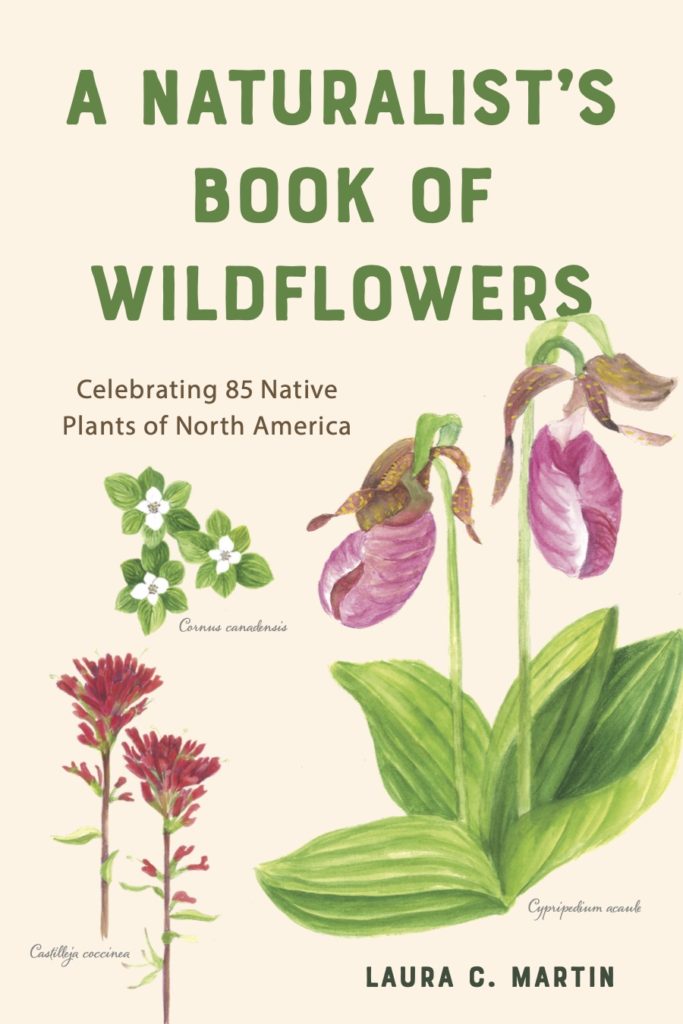
It will make a nice gift, I think, for wildflower enthusiasts. If you’d like an autographed, inscribed copy, you can contact me by email or by using the contact form listed on the sidebar.

This is probably my favorite of all the books I’ve published. (To see the other books, click on “Books” listed on the sidebar.) Not only was I able to do the research and writing, I also did all the illustrations. My idea was to have the book resemble my field journals, in which I take notes, make sketches and jot down ideas and information. The result, I think, is stunning. The publisher did an excellent job of transforming my mud-splattered, scribbled notes and sketches into a beautiful book showcasing America’s favorite wildflowers. And it feels good to hold in your hand. At 280 pages with 85 full page illustrations and hundreds of smaller sketches, it feels substantial. It’s available as an e-book too of course, but I do love the feel of a real book.
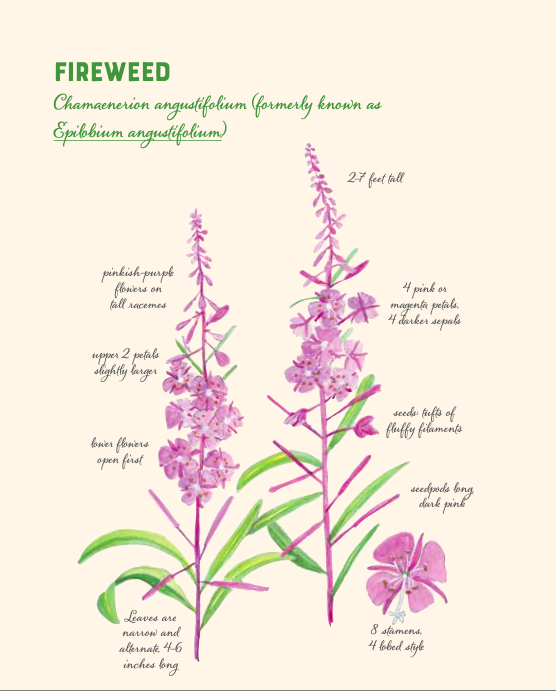
It’s been over 40 years since I wrote my first book, Wildflower Folklore, and surprisingly, much has happened during those decades. Perhaps there has never been greater interest in growing native plants and I included gardening information wherever possible and appropriate. There is a separate chapter dedicated to native plant gardening with information and suggested plantings for each region of the country.

Our native flora provides an invaluable contribution to our native fauna. For each plant entry, I described its role in the ecosystem – what pollinates it, what eats it, how it fits into the bigger picture. I also included information about its conservation status, as many of our native plant populations have diminished over the past decades.
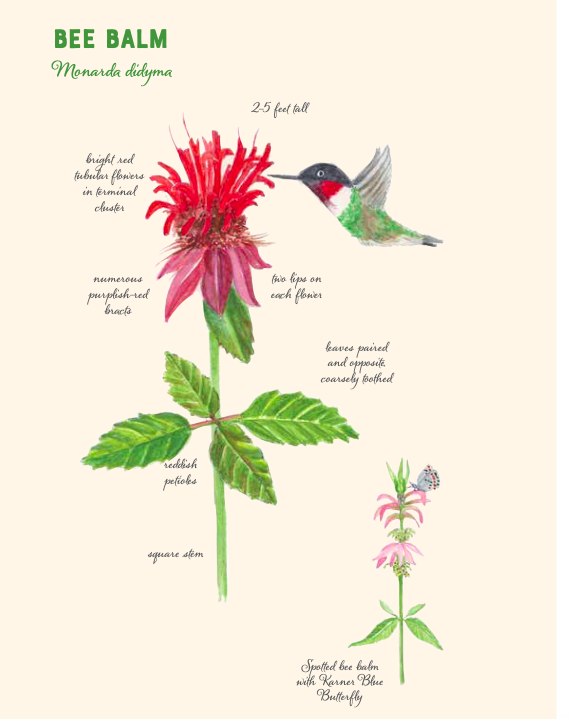
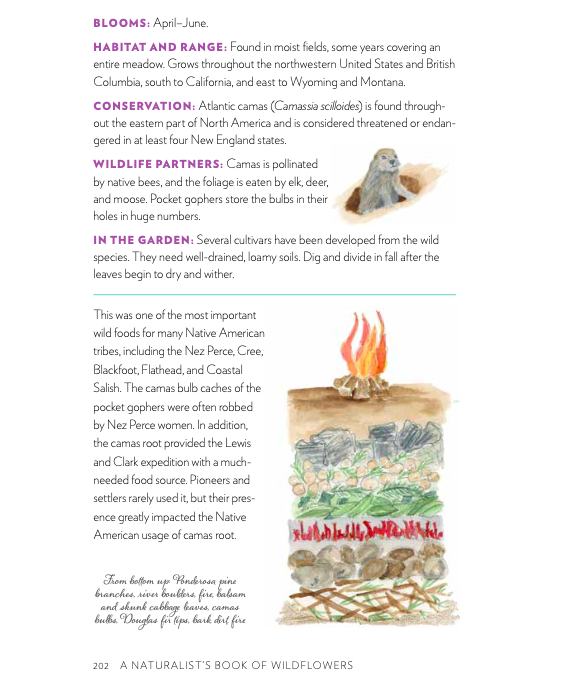
Perhaps the most fun information is about the medicinal and cultural value of each plant. While few of our native wildflowers are of great economic value, many have been used by native peoples for medicine and magic. Some were used to make useful items such as baskets and string.

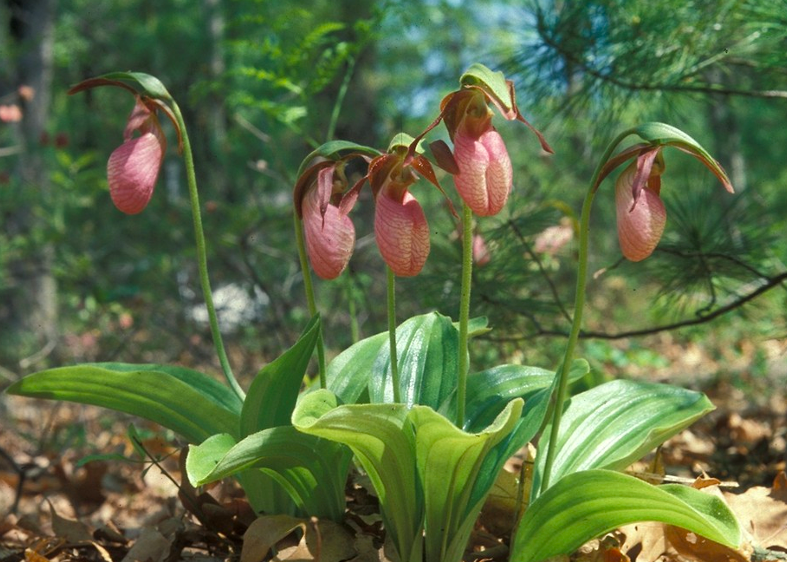
Camas: Camassia quash
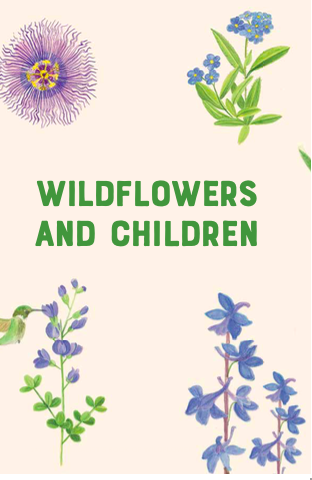
Of course, kids were never far from my mind, so I included a chapter on Kids and Wildflowers and one on using the wildflowers in crafts and projects.
Wildflowers have been my love and passion for many decades and I’m so pleased to be able to share this through my writing and art. I hope that you enjoy it and that together we can continue to be good stewards of this precious land.

Laura

P.S. If you order the book and enjoy it, a review would be most appreciated!
A Few of my favorite things

With apologies to Rogers, Hammerstein and Julie Andrews, I’ve written my own 2020-21 lyrics to go to the tune of “My Favorite Things”:

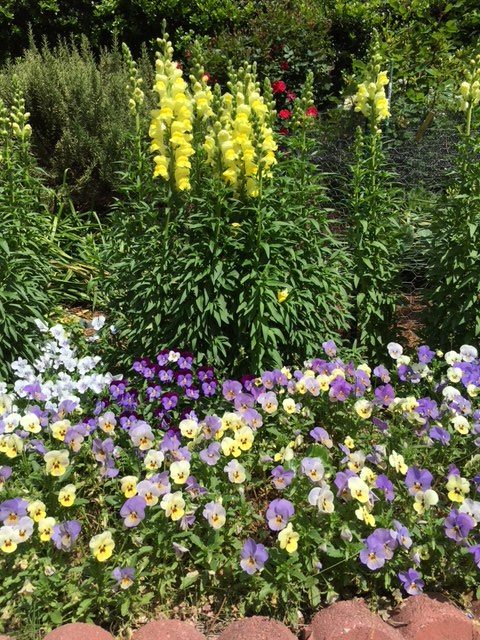
Early spring gardens with bright colored flowers

Rain clouds and drizzle and long April showers

Soft scented petals that usher in spring,

These are a few of my favorite things…..

Kids on the playground, just running in sunshine

Picnics and parties with friends that are mine,

Long summer evenings

Just watching the moon,

These are the things that I’d like to do soon…………

Sitting with family and friends at a bar,

Traveling to places both near and afar,

Hugging my friends with no masks in between

These are the things that I want to have seen!

When I’m quarantined!
When I’m stuck at home!

When I’m feeling mad,

I simply remember my favorite things and then

I don’t feel QUITE so bad!
Hope you have your own list of favorite things. Happy spring!
Laura

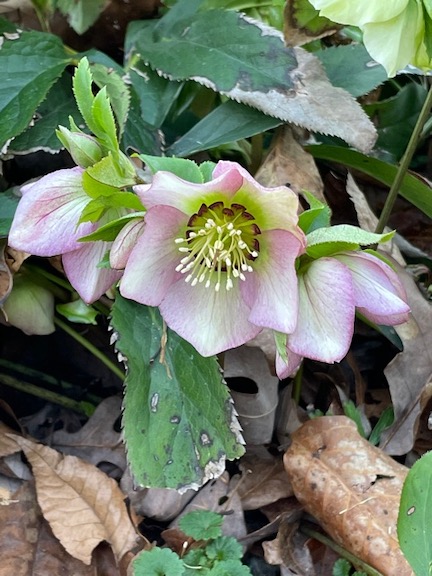
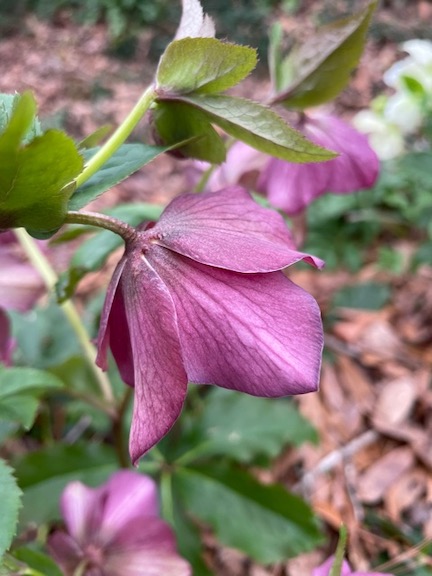
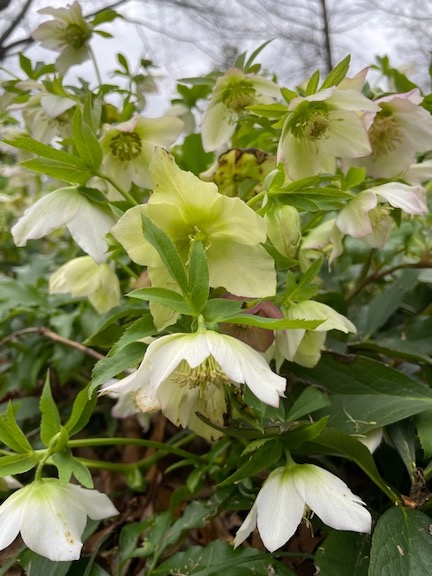
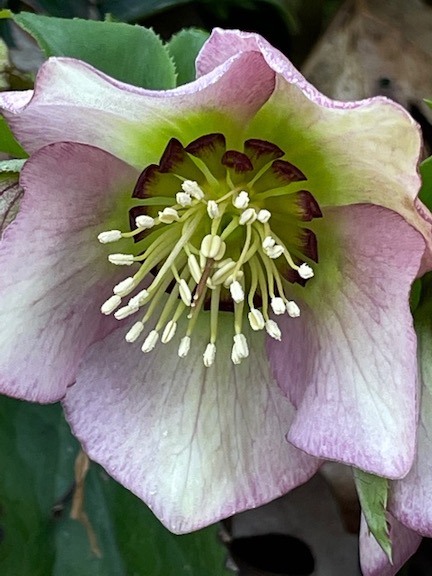
Lenten rose

Every winter when I look out at my garden, I am grateful for the huge clumps of Lenten rose, or Helleborus, that create islands of beauty in the midst of an otherwise sparse landscape. And every year my winter enthusiasm pales a bit by July when these same welcomed clumps seem to be pushing and shoving their way into every nook and cranny of my garden, crowding out other, more timid plants.

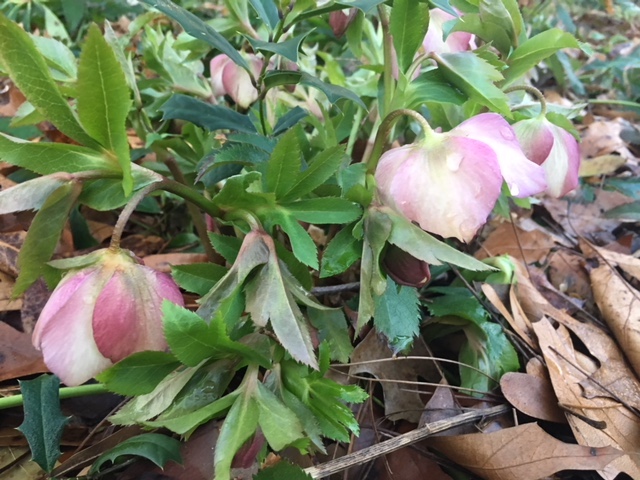
Lenten rose is anything but shy. Seemingly unfazed by nasty, cold, drizzly weather and short days of pale sun, this plant blooms profusely. The blossoms are nodding, with their stamen and pistils pointing toward the ground, which offers some protection from inclement weather and improves the chance of pollination. It is a welcome addition to the garden for bees busy pollinating early in the season.

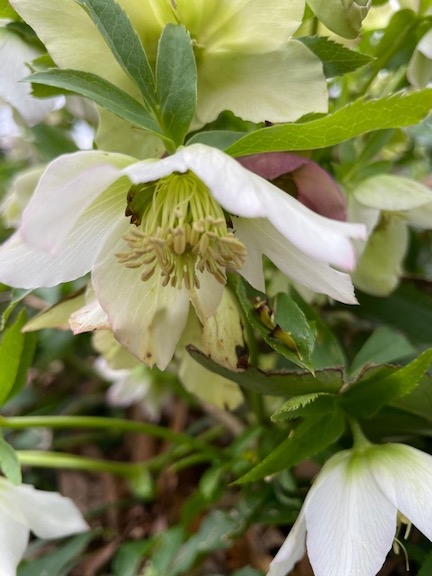
The showiest parts of the flower are the petal-like sepals which come in a range of hues from greenish to pure white to light pink, mauve and deep pink. Lenten rose is a member of the Buttercup family and is a hybrid, developed by crossing Helleborus orientalis with a few other Helleborus species. Scientifically, it is known as Helleborus xhybrida. Don’t confuse it with Christmas rose, Helleborus niger, which is native to alpine regions of Europe and notoriously difficult to grow in Georgia.

Because it is a hybrid, plants that come from seeds will not look exactly like the parent plant, meaning that if you have a lot of Lenten roses, you’re going to probably have a lot of different colors.I love this mix of shades, though I think the pure white ones are probably my favorite. For whatever reason, I seem to have twice as many white blossoms this year as I did in years past.

Lenten rose is really, really easy to grow within its range (horticultural growing zones 5 – 9). I may have mentioned that it has become a bit aggressive in my garden. I like to consider myself an equal opportunity gardener and strive for diversity. It is a constant struggle, however, since some plants, such as the Lenten rose (and Arum, False Solomon’s seal, and Black-eyed Susans) want to take over my little world. I am forever digging up these wonderful plants to give away to friends and neighbors so that I can introduce new and different species into my garden.

But, it’s early March and all those “new and different species” are still just in my imagination. And the reality is, it warms my heart and makes me want to shout with joy when I see the Lenten rose pointing the way toward spring.

Reality and imagination

I come from a long line of artists. Both my parents were artists, as are all of my siblings. My grandmother, a woman of her times, took precious moments off from gardening, doing the laundry and feeding the farm hands to indulge in a bit of delicate china painting. I love to think of her, stealing the time to hold a tiny brush, instead of a pitchfork, painting on porcelain so delicate you could almost see through it.

My parents, Ken and Lois Coogle, in front of a mural of the Atlanta skyline that my mother painted.

After – school hours and summer vacations at my family home were all about art and crafts. From copper tooling to leather working, from painting to paper mâché, we were always doing something, piled around the round table in the sun – room to make and create.

It was a happy childhood and one that provided the foundation for both my hobbies and my career, though sometimes it’s a little difficult to tell the two apart. I have dabbled in a lot of different kinds of crafts and have used a multitude of different mediums. I love textile art and weave and quilt, I’m fairly passionate about my glue gun and I have painted with anything I can get my hands on, from dirt and flower petals to oils, from acrylics to natural dyes.

But by far my most favorite canvas is the garden. It is the keyboard waiting to be played, the white paper waiting for the paint, the chocolate chips and brown sugar begging to be made into cookies.

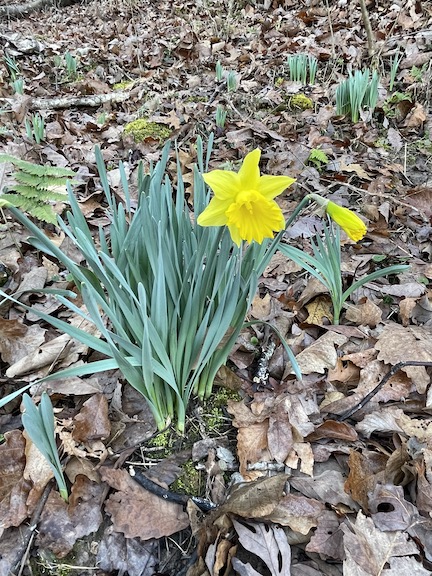
As I look at my garden now, toward the end of February, mostly what I see is potential. There are a few lonely clumps of hardy daffodils, bright green and shiny, and even a couple of intrepid early blossoms. Lenten rose is showing off, as she always does this time of year with an abundance of pink and white blossoms, and the evergreen ferns look staid and solid, though a little weather worn.

But mostly, it’s brown ground and bare branches and it reminds me of a quote from John Lennon who said, “Reality leaves a lot to the imagination.”

My imagination colors the reality of my winter garden with swoops and swaths of vibrant, fragrant blossoms, with backdrops of rich, dark green shrubs, with butterflies hovering, birds flying and everything healthy and abundant and vibrantly alive.

Of course the trick is in the manifestation of the vision. But if you can SEE it, you’re well on your way to making it happen. Just as I sit patiently, drawing and painting each stamen and pistil in my botanical art, I also have to dig deep in the garden and to plant, weed, water and love this day dream into existence.

But what a journey it is! and how lucky I am to have this canvas. To partner with nature and work hand in hand with the Great Creator is a blessing indeed. I can’t wait until spring!!!!

Peter Cottontail and friends

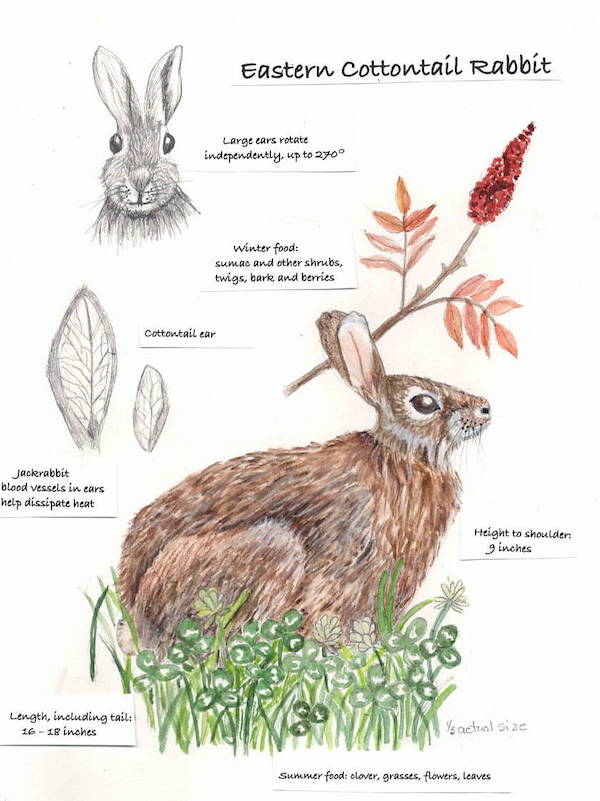
We rarely see rabbits anymore. Even though they are notoriously prolific, sometimes having as many as six litters in a single year, the rabbit population in our part of the world has steadily declined during the past couple of decades, primarily due to habitat loss.

Rabbits are fun and fascinating creatures. Our Eastern cottontail runs in a zig zag pattern when being chased and can run up to 18 miles an hour for at least a half mile. And his ears, acutely tuned to listen for predators, can swivel independently of one another.

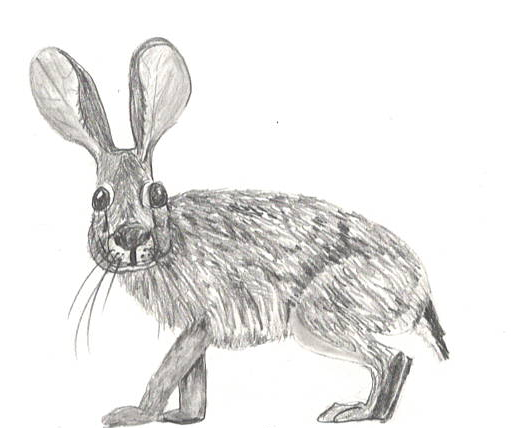
So, just what is the difference between a rabbit and a hare? They are closely related but hares are larger and have bigger ears. The black tailed Jack rabbits found in the deserts of the Southwest have huge ears with visible networks of blood vessels. The ears help them cool off by dissipating the heat.

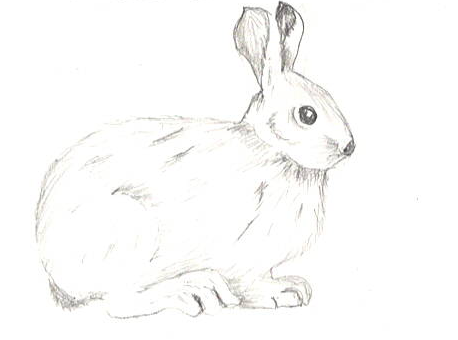
At the other extreme, the snowshoe hare has much smaller ears – but bigger feet. Stiff hairs cover the pads of the feet, essentially creating a snowshoe surface that makes it easier for them to travel quickly across the snow. These hares are rusty brown during the warm months but when daylight hours shorten, they begin to turn white except for the black tipped ears which remain dark.

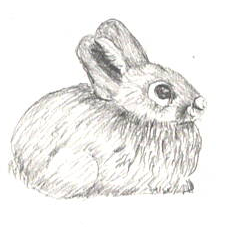
Probably the cutest rabbit in the country is the pygmy rabbit, which weighs under one pound and is only 9 – 11 inches long. This is native to the Pacific Northwest and the Mountain west regions.

Rabbits have always been associated with luck, both good and bad. Carrying a rabbit foot was thought to bring good luck – unless you’re the rabbit. And, saying “rabbit” three times on the last day of the month is also thought to bring good luck. However, fishermen believe that if anyone mentions a rabbit, the day’s catch will be poor.

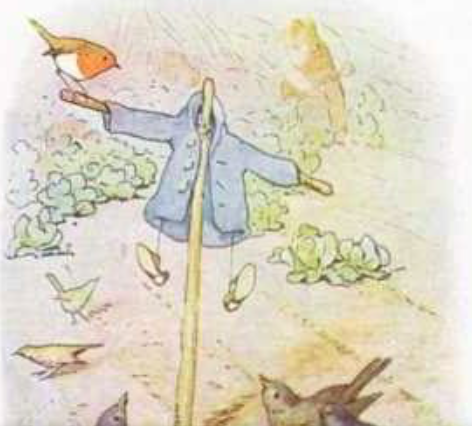
If you remember Beatrix Potter’s charming stories, you’ll remember that Peter Rabbit could just not stay away from Mr. McGregor’s garden. And, though he got away, he lost his shoes and his new blue coat in the process. I sort of envy Mr. McGregor. Even though I know I might lose a few carrots and lettuce leaves, I would welcome Peter and his friends back to my garden!

Thank you Beatrix Potter!

Tools of the trade

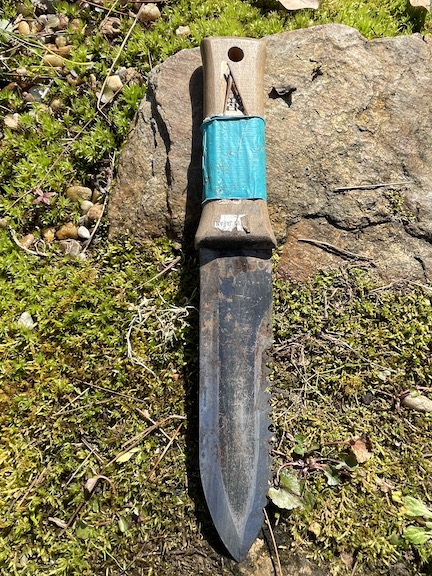
Several years ago my sister gave me a Hori-hori. That’s a good thing! Actually, it’s a very, very good thing. A Hori-hori, for the uninitiated, in spite of it’s kamikaze sounding name, is a Japanese digging knife that I now find essential in the garden.

This beast does it all. It can be used as a digging implement but also has a double sided blade which is great for cutting through stubbornly packed root systems. Some even have ruler measurements on the side which can be used to measure the depth of a hole or the distance between two seedling plantings. The bright blue tape is not decorative, but functional as it keeps me from losing the knife while I’m working with plants that have a tendency to swallow tools.

When you are digging up perennials such as day lilies or lenten rose or Solomon’s seal to divide and give to friends, this tool is irreplaceable.

Having the right tool, whatever kind of work you’re doing, makes all the difference in the world. My dad was a woodworker who sometimes made very large pieces (ask me some time about the 22 foot wooden screw that he spent 10 years making for a living museum in South Georgia!) As he aged and inevitably lost strength, he compensated by making and using more and more tools in ingenious ways.

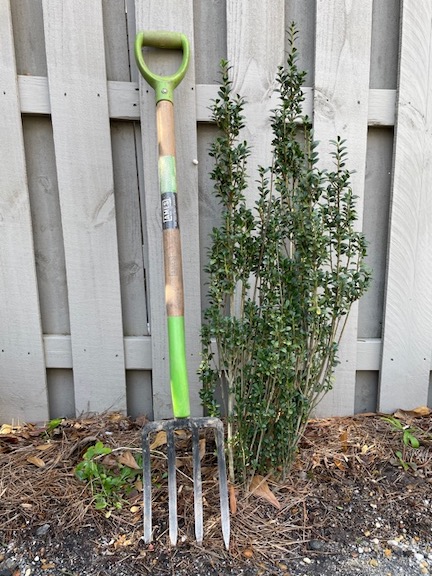
Now, I’m trying to do the same in the garden. I’m trying to work smarter rather than harder and the right tools are helping me accomplish this goal. Another of my favorite garden tools is a digging fork, which I find much more useful for many tasks than a shovel or spade.

For the old standards, clippers, shears and pruning knives, I try to keep them as sharp as possible so that they require minimum effort to do the maximum amount of work. But of course my favorite, very favorite cutting tool is my beloved chain saw.

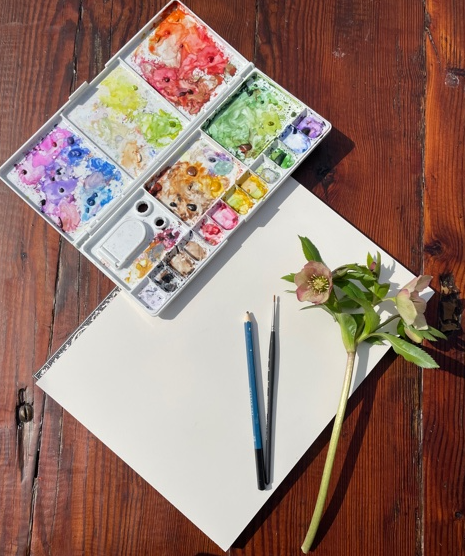
I only spend half my working hours in the garden. The other half I am either drawing and painting plants or writing about them and my indoor tools are as critically important as my outdoor tools. I am grateful for my computer (I actually wrote my first book on a type-writer, using corrective tape to delete! It made me much more careful to not make mistakes!) But my other indoor tools are even more ancient than a type-writer and are equally beloved. Give me a sharp pencil and a tiny brush, a palette of beautiful water colors and blank paper and I can happily stay busy and out of trouble for hours on end!

The well traveled houseplant

I’m pretty sure that my houseplants have traveled more than I have this past year. Every fall they are dragged from the front porch to live indoors on any available window sill where they remain until spring, when they’re dragged back out.

During these long, cold days of winter, even though the plants and I would both rather be outside, we’re grateful for the warmth and protection of the house.

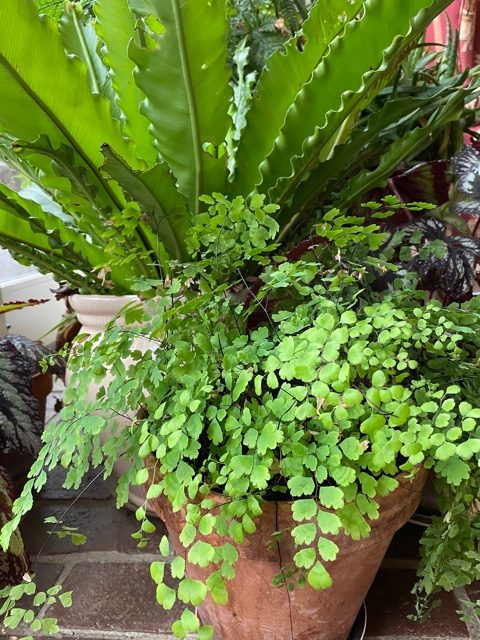
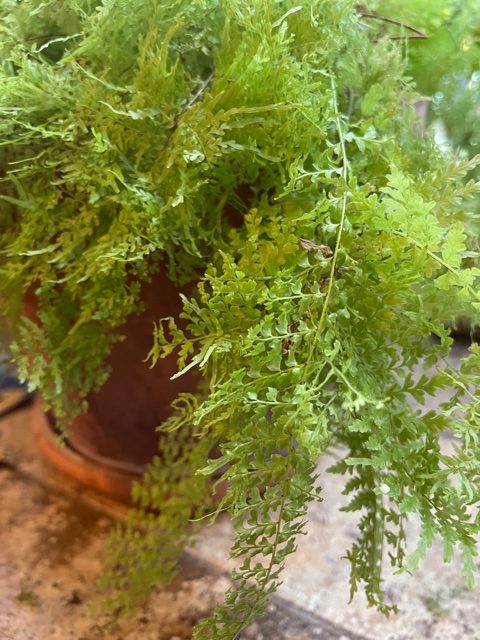
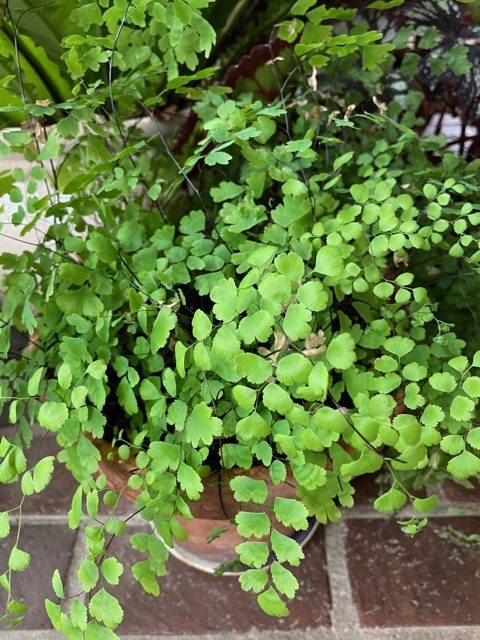
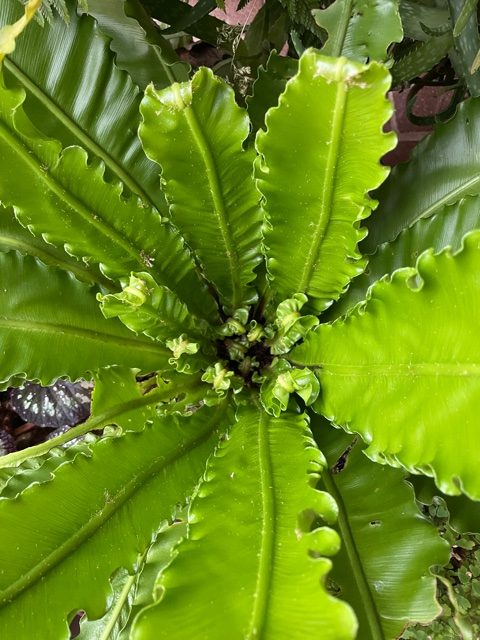
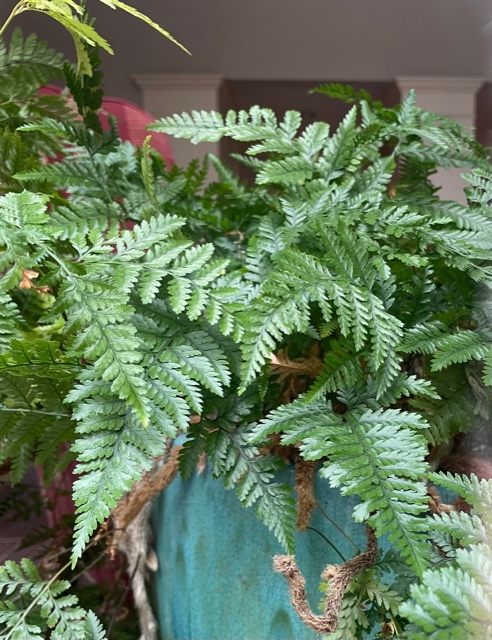
My favorite houseplants are the ferns. I’ve created a bit of a small indoor “ferny glade” in the back where, on nice days, sunshine streams in. Here I have a couple of rabbit foot ferns, a bird’s nest, a small stag horn, an asparagus fern and a maidenhair. They all seem relatively happy, though growth is slower indoors and the green of their fronds is not quite as brilliant as it is on their outdoor summer growth. On the other hand, inside there are (usually) no squirrels to chew on the leaves and dig amongst the roots.

The point, though, is just to keep them alive and stable until warm weather comes again and they can journey back out to the front porch.

Several of these ferns I bought in those little “mini” pots, measuring only a couple of inches tall. I thought maybe they were dwarf varieties but no, all they wanted was a pot big enough to grow in and somebody to believe in them. My “mini” bird’s nest fern now has individual fronds over 24 inches long.

My oldest fern is a rabbit foot fern that I inherited from my husband’s mother (who died before I met Jack). Family legend says that this fern won a prize at one of the first Atlanta Flower Shows, decades ago. The best I can say about it now is that it’s still alive. I’m sure that even a rabbit foot fern runs out of luck and dies at some point.

I’m grateful to be surrounded by greenery as I wait for spring but I have to admit, I’m ready for warm weather and to do some traveling myself, hopefully a little farther than the front porch this year!

Wild paper

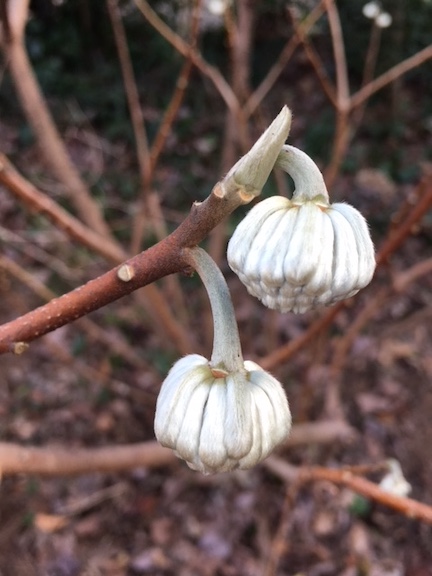
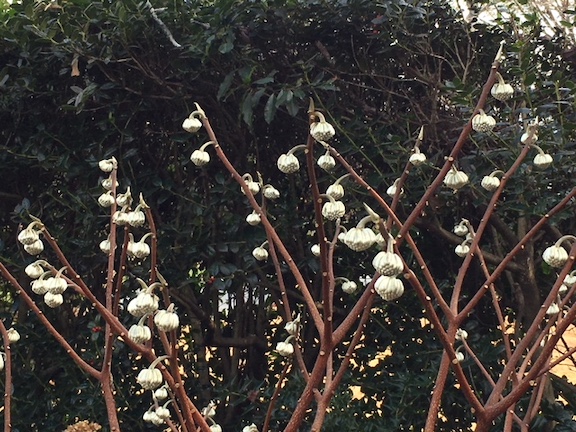
In my front garden I have a paper bush, Edgeworthia chrysantha, that my sister gave me several years ago. It’s a remarkable plant for several reasons, not the least of which is that it is all budded up and ready to bloom RIGHT NOW!

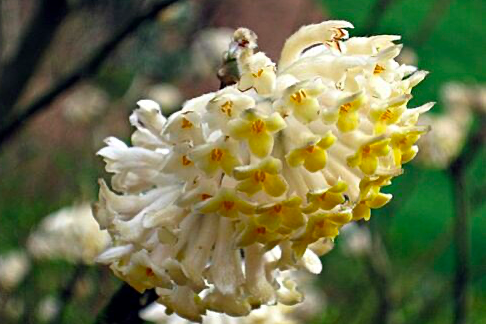
While most everything else is still heavy with winter sleep, this baby looks ready to party. The blossoms will fully open sometime during the next month and look something like those of Daphne. Fortunately, the paper bush is much easier to grow than it’s look-alike cousin Daphne.

Interestingly enough, both of these shrubs have been used historically to make paper. The inner bark is harvested, beaten to a pulp and spread on screens to make paper.

Fully opened Edgeworthia blooms.

Both shrubs are native to China and the Himalayas where they grow at elevations between 6500 and 9500 feet. Villages in Nepal are particularly well known for making lokta paper from the shrub Daphne papyracea. The paper was used extensively in Tibetan monasteries for writing sacred texts. The oldest text written on lokta paper is a sacred Buddhist text written between 1000 and 1900 years ago. Because it is of such high quality, lokta paper is still used today in Nepal for recording government documents.

Since I only have ONE Edgeworthia shrub and no Daphne, (and no sacred nor governmental texts to write) I decided not to go into the paper making business and to just enjoy the mid-winter gift of flowers.

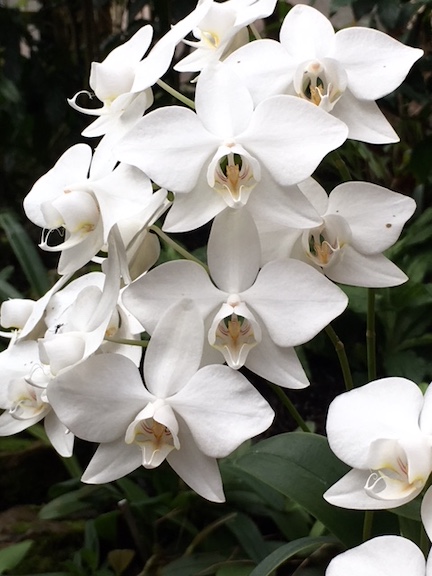
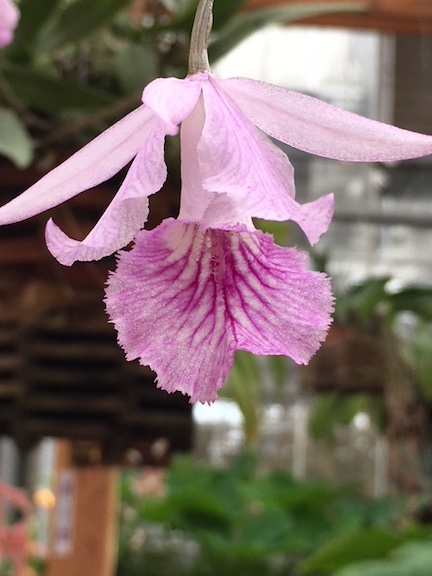
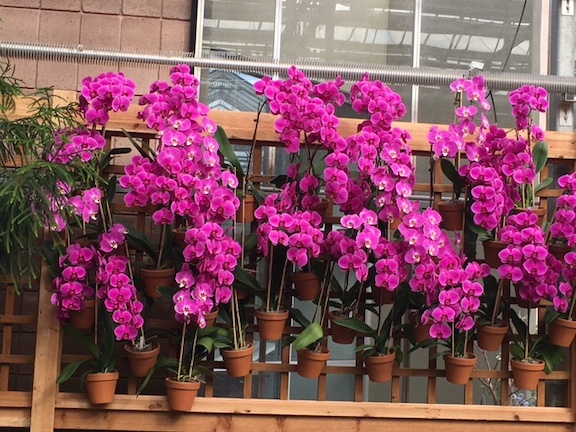
Orchids

When someone asked me recently what my favorite flower was, my answer was decisive and immediate. Orchids! What? what about all those wildflowers you profess to love? what about roses? camellias? peonies? and dozens of other plants that are of startling beauty?

I know. I probably shouldn’t play favorites but wow. Once you’ve seen an orchid, it’s almost like seeing the face of God. There is simply nothing on this earth that can compare to the intricate and. unique beauty of an orchid.

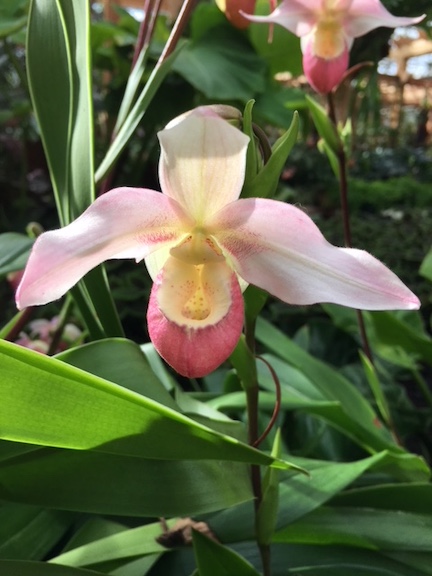
Every winter I treat myself to an Orchid Day at the Atlanta Botanical Gardens. ABG puts on a stupendous orchid show, beginning in February but I usually go in January. Not only are there no crowds, but it’s easier for me to appreciate the intricacies of each bloom when there are not thousands shouting for my attention.

The United States is native home to over 200 species (there are, to date, over 25,000 known orchid species worldwide, with more species being discovered every year). Unfortunately, over half the species native to the U.S. are considered endangered or threatened somewhere in their native range.There are over 100 orchid species native to Florida but, it might surprise you to learn that there are 48 orchid species native to Minnesota.

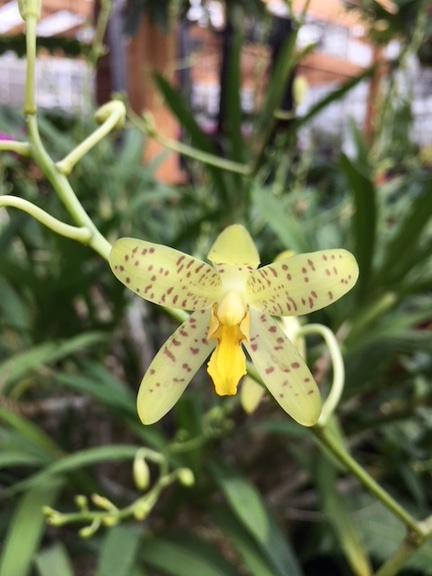
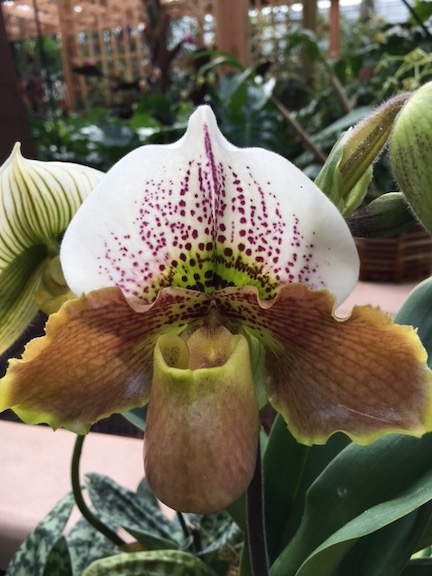
Contrary to my usual predilection for informing, naming and teaching, I’m just going to let these photos speak for themselves. Sometimes you just need to wallow in the beauty without worrying about the who and the what and the why. Just enjoy.

Jack Frost nipping at the door

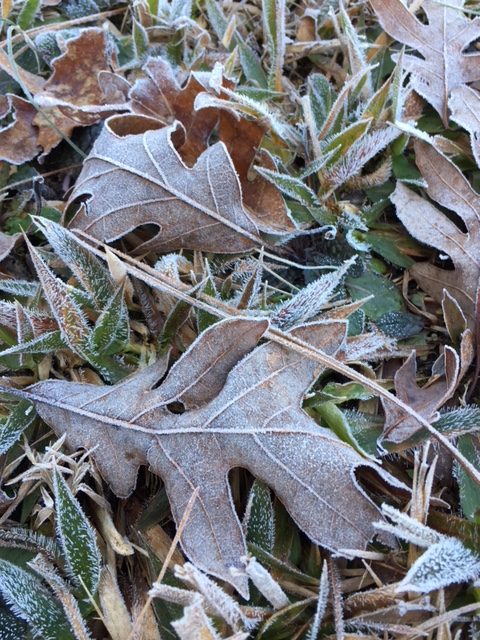
We had a hard frost last night and the world turned icy and sparkly. It may not have been as exciting as a heavy blanket of snow, but hey, we live in the South, we take what we can get.

As gardeners, we often use the terms “frost” and “freeze” interchangeably but of course they mean two different things. Frost is where water vapor freezes on a solid surface and freeze is simply when the temperature drops below that magical 32 degree mark. The USDA has divided the country into different growing regions based on the first average frost date but more accurately, it would be the first average freeze date.

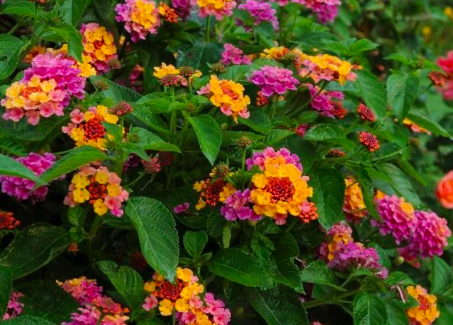
Not all plant are affected the same way by freezing temperatures. Much of it depends on their point of origin. Plants that are native to warm tropical regions, where there is no need to guard agains cold temperatures, will die back after only a few hours of below freezing temperatures. Many of the plants that we consider “annuals”, such as lantana and vinca, are actually cold sensitive perennials that will only grow, bloom and survive during the warm months.

Freezing temperatures often kill herbaceous plants because the cells within the plant actually turn to ice and either slit open the surface of the cell or block the flow of water (sort of like a blood clot in a human). In any case, a freeze prevents the flow of water and the leaves wilt and then die.

Lenten rose seems perfectly happy to grow and bloom through even ice and snow.

Plants that are native to the region in which you live and garden are much better adapted to your particular weather and climatic conditions. If really cold temperatures are part of your basic weather pattern, the plants have evolved to survive. All of which is a compelling reason to plant and grown native plants!

Trees and shrubs, unless particularly cold sensitive, are generally unaffected by freezing temperatures because they have already dropped leaves and become dormant by the time a freeze occurs or they are evergreens, adapted to varying temperatures.

I’m always sorry when the first killing freeze happens because it is the immediate end to the warm weather garden. Overnight, things turn black and die back. But then, there are, as always, certain lessons to be learned from nature. No living thing is programmed to be “on” all the time. All of us, whether we’re a pansy or a person, need a time of rest, a time to go dormant and let the world wash over us.

This year, of all years, we need this dormancy. It is, perhaps, our time to be still and quiet as we wait at home for everyone to be vaccinated and for the end of the epidemic, as we wait for Joe Biden to finally fully occupy the White House, as we quietly wait for spring when we will emerge fresh, energized and ready to grow again.