The lure of the wild persimmon

I am a self-proclaimed wild fruit fanatic.

I’ve been known to hang by my toenails off a cliff reaching for the plumpest blackberry in Alaska and to brave both grizzly bears and huge mosquitoes picking huckleberries in Montana.
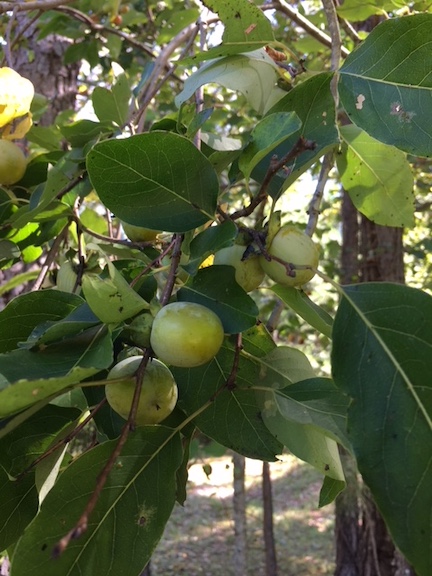
So, when I found my neighbor’s wild persimmon tree laden with fruit, I felt as if I’d hit a gold mine. The fruit needed another few weeks to fully ripen so I headed home to do my homework.

First, I called my neighbor to ask permission. He laughed heartily and said, “be my guest, take as many as you want.”

Next I went online to find the best wild persimmon jam recipe. At this point I’m in full – throttle – enthusiastic – project mode. I envisioned a row of small jelly jars, filled with beautiful golden orange jam, each tied with persimmon colored ribbon.

There were several videos about making wild persimmon jam but I chose one posted by an Indiana farm woman who starts off by saying you need at least three pounds of fruit to make 4 small jars of jam. Three pounds!!! Then she casually says “Wash, peel and seed the fruit.”
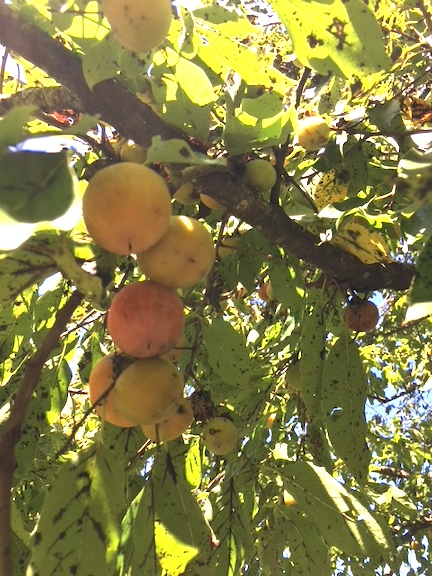
This might be a good time to say that wild persimmons, which are about the size of a golf ball, are not like the big, fleshy Fuji persimmons you buy in the store. The thought of peeling and seeding three pounds of golf balls was intimidating.

It was with more determination than enthusiasm that I returned to the trees yesterday. About half the fruit was fully ripe and it was so beautiful I regained some of my ardor for the project. I picked a soft, plump persimmon and, since I’d never actually eaten one before, decided to try it.
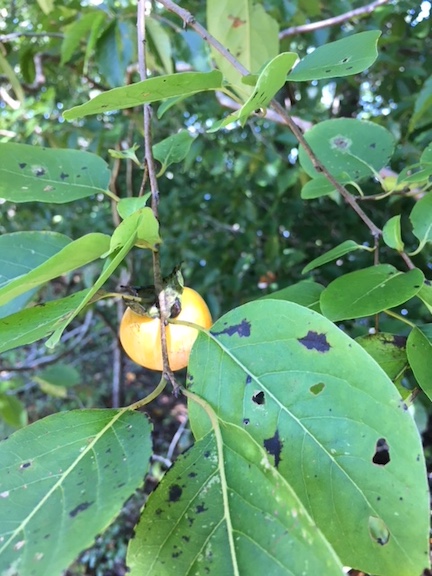
I peeled back the skin and took a small bite. My first thought was that it wasn’t too tart. My next sensation was of something sucking out every molecule of moisture from my mouth and wrapping my tongue in cotton balls. It was like a sip of the most astringent tea you’ve ever had – times a thousand.
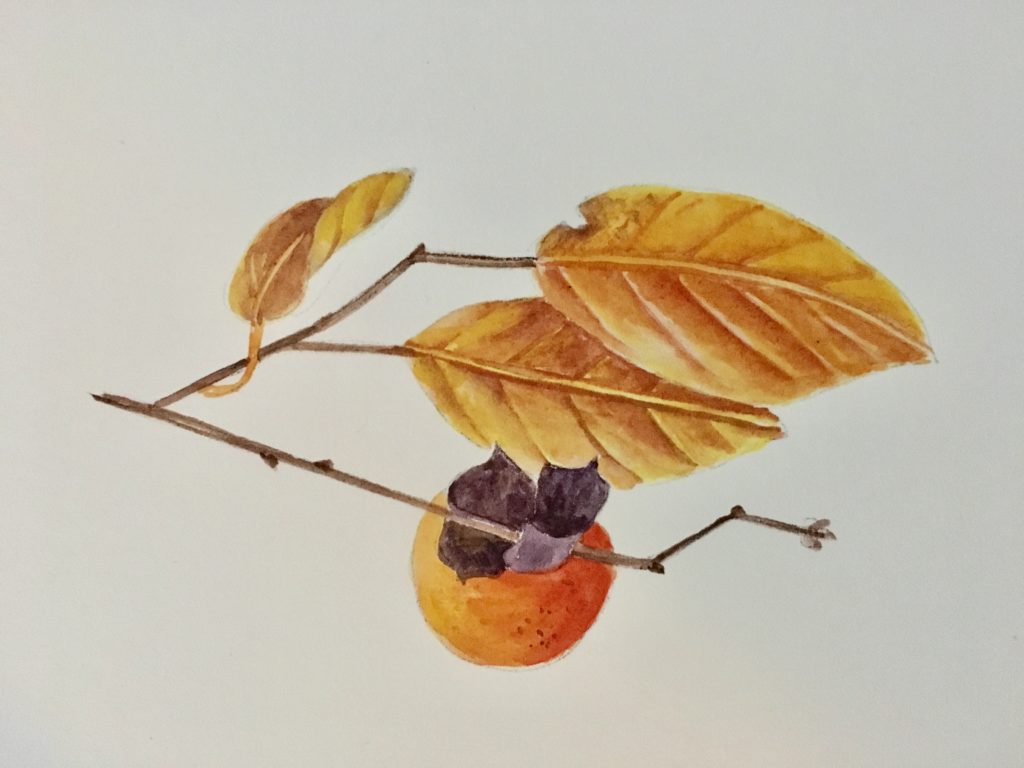
I threw the persimmon down, called to Sadie and started running home, all the time thinking, “juicy fruit gum. juicy fruit gum.” But of course, we haven’t had that in the house for years. I downed 4 or 5 glasses of water and desperately searched the drawers for chewing gum. All I found was an old hard peppermint candy, probably a decade old. I scraped off most of the plastic wrapping and popped it into my mouth. It helped. It only took a couple of hours to regain feeling in my tongue.

Sadly, I put away the jelly jars and the persimmon colored ribbon. Obviously, not all my full – throttle – enthusiasm – projects work out. If it’s true that good thoughts make sweet fruit, It’s time to work on my thinking! Happy Fall to you all.

Laura
The height of the season

The fall garden is no place for sissies! Like adolescent boys vying for the attention of a pretty girl, these tall, gangly flowers tower over one another, pushing and shoving and demanding to be looked at – and admired!

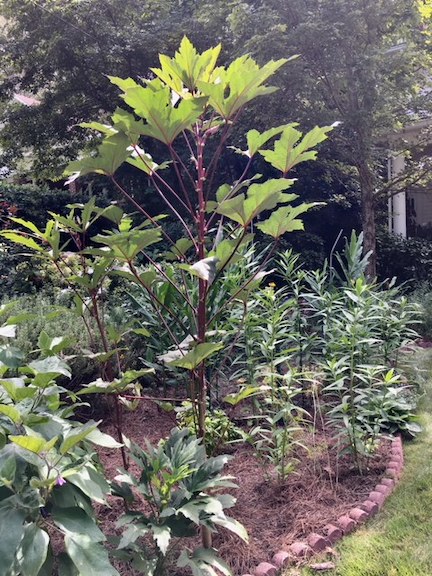
Perhaps the most startling and outstanding, to say nothing of being the tallest plant in my garden this fall is my okra “tree.” At well over six feet, this crimson beauty is as straight and sturdy as an oak. We placed a chair near by and now one of our favorite places to sit is in the “shade of the okra tree.” It sounds like the title of a country song, doesn’t it?

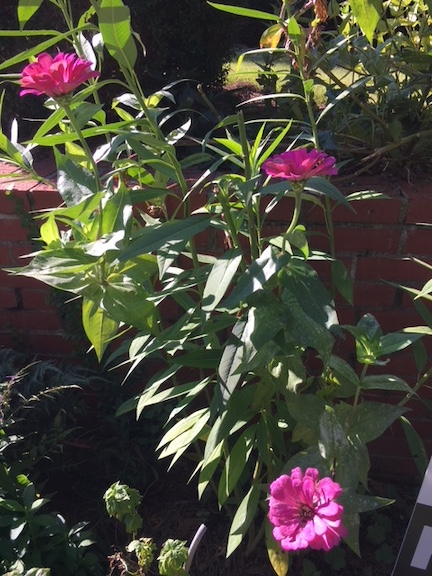
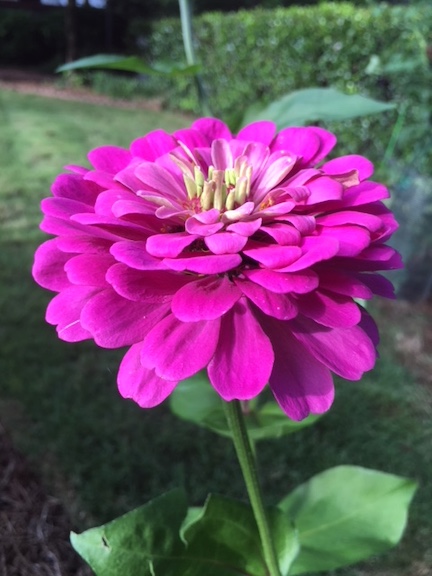
My zinnias are falling all over themselves showing off.

The lofty heights are crowded with other flowers and plants that have spent the last five months growing and producing leaves and flowers. I can’t say that they are at their most elegant but they are at their most robust.

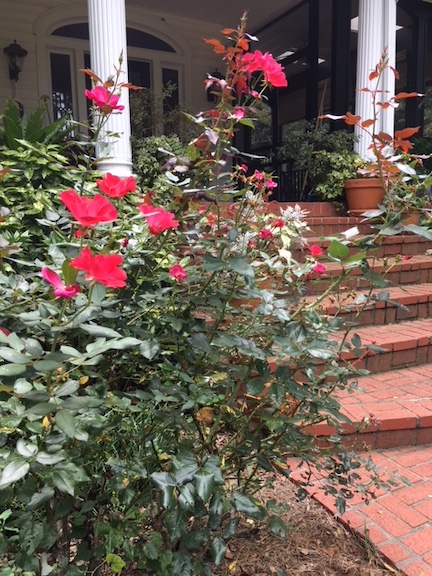
Roses are putting forth a last burst of height and blossoms, perhaps guarding agains the inevitable winter pruning.

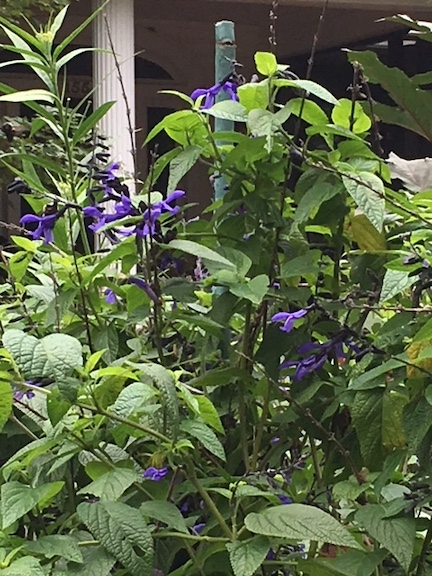
My beautiful blue black salvia is over five feet tall but isn’t quite strong enough to support itself so I’ve shored it up with poles and stakes. The bees and hummingbirds don’t seem to mind, they are still pollinating like crazy, getting ready for the long winter ahead.

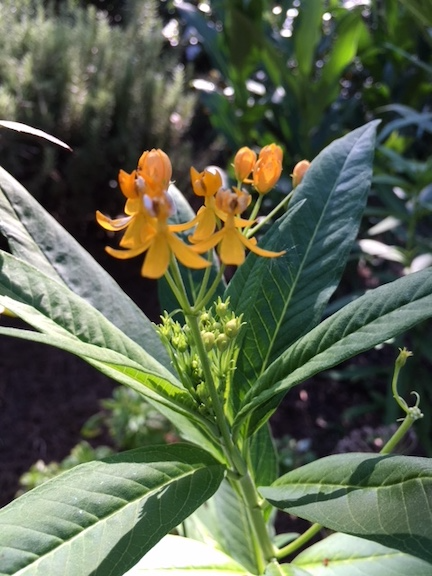
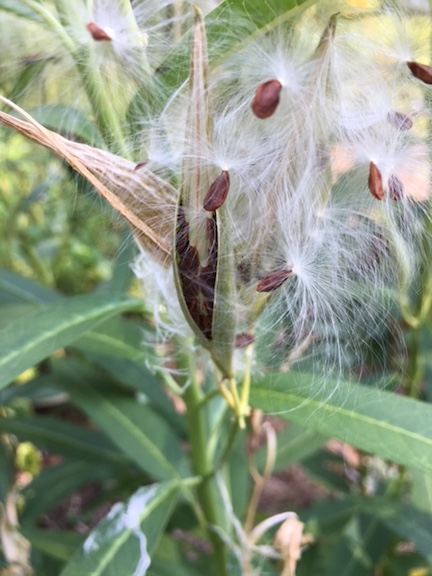
My milkweed grew quite tall but I was very disappointed at the sparse bloom. This time last year the plants were laden with blossoms and my garden was a sea of yellow orange. Not this year! My suspicion is that the over-abundant rainfall that we’ve had this year has caused it to grow more leaves and stem than blossoms. I should have fed it some organic fertilizer mid-July but I didn’t realize that it was going to be a problem.

Some of the precious few milkweed blooms the plants produced this year!

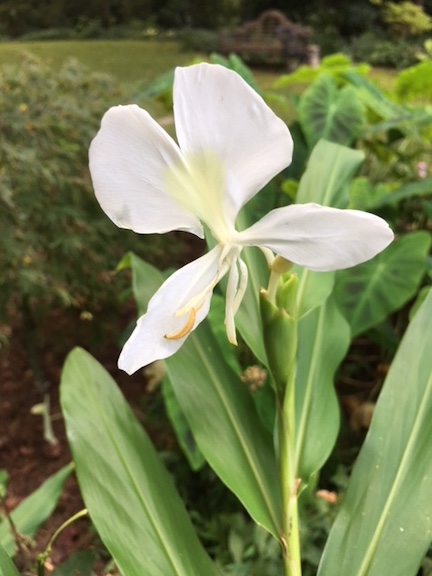
I transplanted some ginger lilies from the back yard. They are very happy where they are now, basking in the sunshine. Their beautiful butterfly -like blooms are sweet and heavily scented. The plants stand almost 5 feet tall and their leaves look like those of corn which makes it a fun addition to my urban garden.

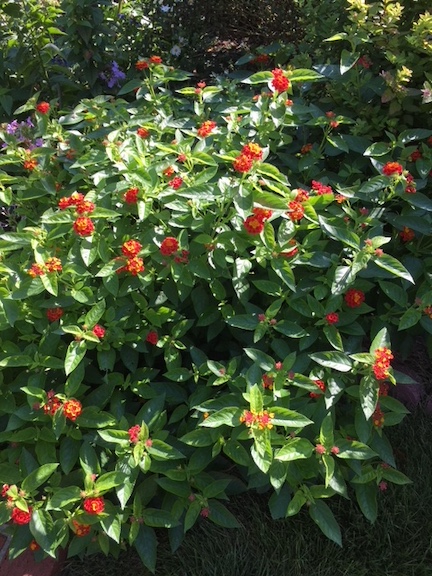
My lantana has spent the late summer growing out, not up, but has claimed a huge amount of horizontal space.

It’s a glorious way to wind up the fall gardening season. It makes me happy to look at the sheer exuberance of growth and bloom. But still, this loud, pushy gangly garden also make me look forward to the quiet, small flowers of spring, which just proves that every season has a unique glory.

Happy gardening – in every season!

Wildflower? or weed?

My husband, Jack, and I had the opportunity to spend some time driving down the Blue Ridge Parkway last week. We were way too early for fall color (and the crowds!) but the wildflowers were magnificent.

Jack, not being quite as well versed about the plant names as I am, kept asking for identification as we passed fields of flowers in bloom. And so I told him: Joe Pye weed, butterfly weed, iron weed, jewel weed….Finally he stopped me and asked, “are they all weeds? And, what’s the difference between a wildflower and a weed?”

Ha, a great question that botanists and naturalists have been trying to answer for centuries. You might agree with Ralph Waldo Emerson who said, “A weed is a plant whose virtues have not yet been discovered,” but you probably only agree with him if you are not a gardener.

Another, unknown author, said that a weed is only a plant growing where you do not want it to grow and according to that definition, there were no weeds along the Parkway.

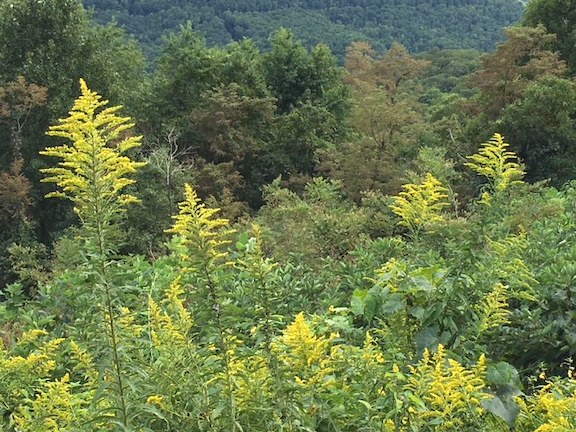
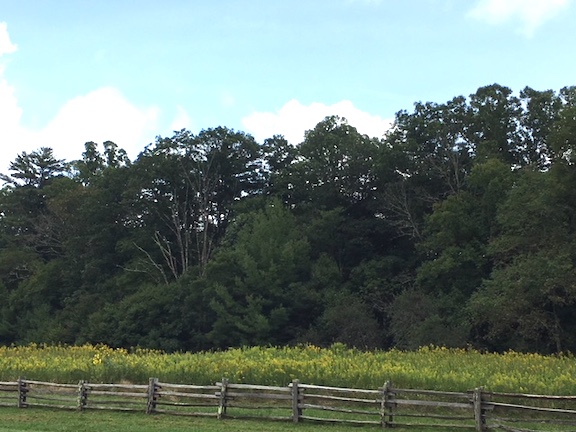
Goldenrod was most prevalent and I identified 4 different kinds. The National Park Service thinks so highly of their goldenrod that they fence it in. Just kidding. But the abundance of gold behind the quaint split rail fences make them appear precious and beloved.

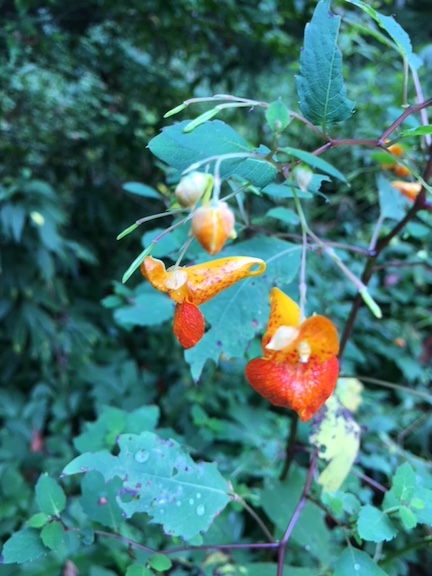
There is a triumvirate of weeds that blooms profusely in fall. Along the roadsides, especially in drainage ditches where there is more moisture, jewelweed is thick. Although it’s most commonly orange, there were great expanses of yellow jewelweed as well. This is a native Impatien, related to the popular garden plants.

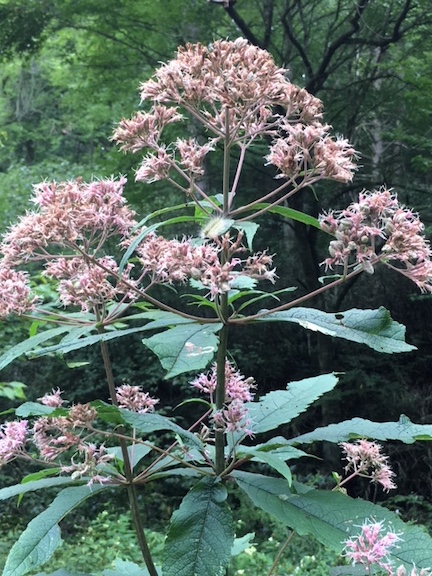
Joe Pye Weed towers above the rest of the wildflowers, often reaching a height of 6 feet or more. This is a butterfly and bee magnet. Sometimes the bees get so full, they seem to doze drunkenly on the plant. The flowers are not brilliantly colored but are a soft pinkish brown color.

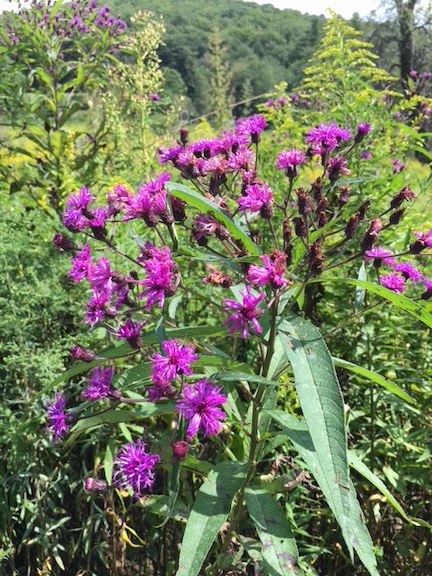
For brilliance, look for the bright magenta ironweed, a spectacular, tall fall bloomer. The stalk is rigid and difficult to cut down, thus the common name. This, too, attracts many butterflies. It is the larval host for the American Painted butterfly. Seeds are eaten by finches and sparrows.

As much as I love these colorful roadside “weeds”, I’m not that enamored with the more pedestrian weeds that persist in my garden. I have to agree with William Shakespeare, who said “Sweet flowers are slow and weeds make haste.”

I saw a sign once that I really, really want to put up in my front yard. It said,

“Free Weeds. U-Pick.”

Please, come on by, pick all you want!!!

You again? azaleas blooming in the fall

For the most part, I’m happy to see any flower, any time of the year but when it comes to azaleas, I have to admit to a certain old – fashioned preference for keeping azaleas as belles of the ball in spring.

Seeing azaleas bloom in fall just seems to be out of the natural order of things, like keeping the Christmas tree up until Valentines’ Day.

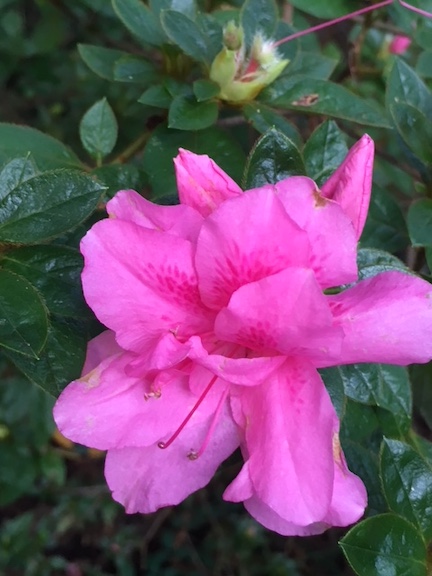
Obviously, I’m in the minority here. Recently, as in the last 20 years, the nursery industry has gone ga-ga over Encore azaleas that bloom in spring, a bit in midsummer and then again in fall. There are countless cultivars now, offering these repeat bloomers in every color and size.

I don’t object to a few sporadic blooms on a shrub as the weather cools, sort of a last hurrah! before winter comes but to have a bush laden with pink or white flowers in front of trees sporting brilliantly colored autumn leaves kind of makes me shudder.

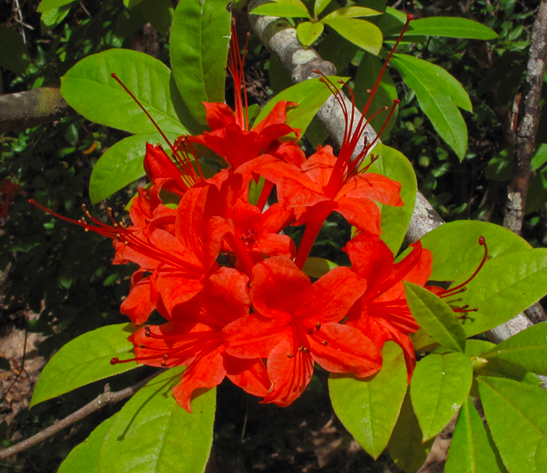
Nature herself puts up a good argument for fall blooming azaleas as the stunningly beautiful native plum leaf azalea, Rhododendron prunifolium, naturally blooms in late summer and early fall. This gorgeous shrub, with its bright red blooms, is native to a tiny section of southeastern Alabama and southwestern Georgia. It is definitely a fall blooming azalea that I am excited about. But with it’s brilliant, dark blossoms, it looks as if it should bloom in fall.

Photo credit: National Wildflower Organization

I know, I should be grateful for plants that extend the season, that offer beauty for as long as possible and that provide blossoms until frost. And I am. Sort of. Encore and the other fall blooming azaleas are great for other people’s gardens. But for me? I’ll take my azaleas with their lovely spring colors – in spring. But then again, I take down my Christmas tree the day after Christmas! It’s just the natural order of things.

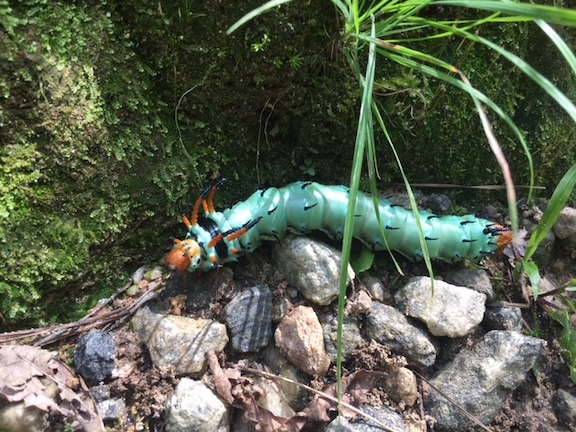
P.S. Last week I wrote about caterpillars and today as my sister and I were walking down a gravel road, we saw a caterpillar that stopped us in our tracks. A full six inches long with spikes and horns, we stood and watched in amazement as it crawled across the road. A little research helped us determine that it is, without a doubt, a “Horned Hickory Devil,” caterpillar to the royal walnut moth. In spite of it’s ferocious appearance, it is pretty harmless. But impressive!!!!

The Very Hungry Caterpillar

Last spring I planted a small parsley plant in a pot right outside the backdoor so it would be handy whenever I wanted a sprig for flavoring or decoration.

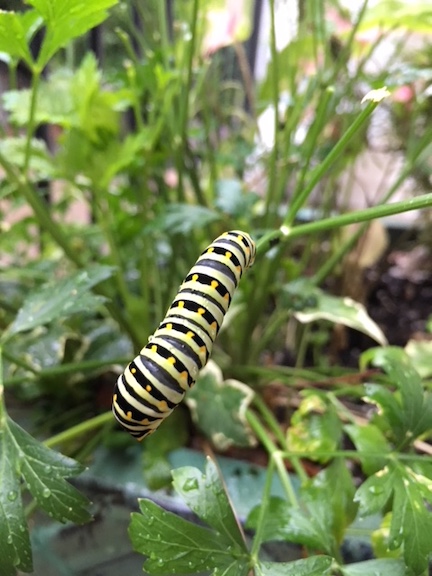
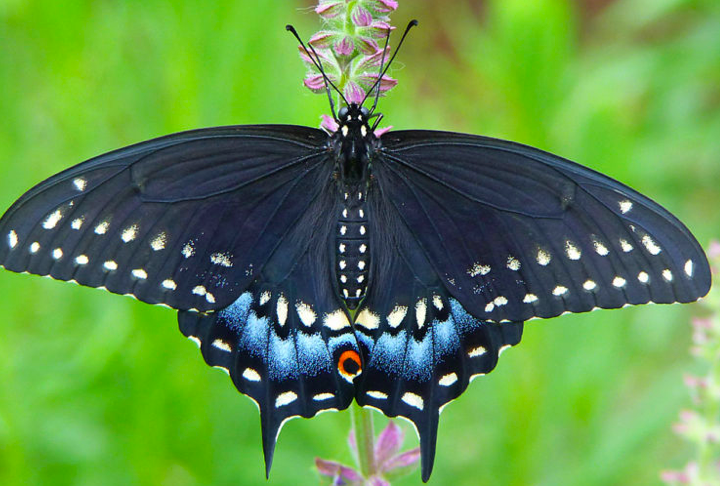
Instead, I got magic. Last week, I noticed a small striped caterpillar on one of the leaves. On closer inspection, I found 4 more, all of which were tiny. A quick check helped me to identify them as the larval stage of the black swallowtail butterfly. Two of them were dark with white splotches in the center and I thought maybe they were a different species.

The black caterpillar in the back is a first or second stage with the characteristic white saddle.

A little more research showed me that the tiny dark larvae were indeed the same species but they were still in their first stages of growth.

If you’ve ever read Eric Carlisle’s book to a child, you already know that caterpillars are VERY hungry creatures. I’ve been watching them every day, fascinated and astounded by their rapid growth.

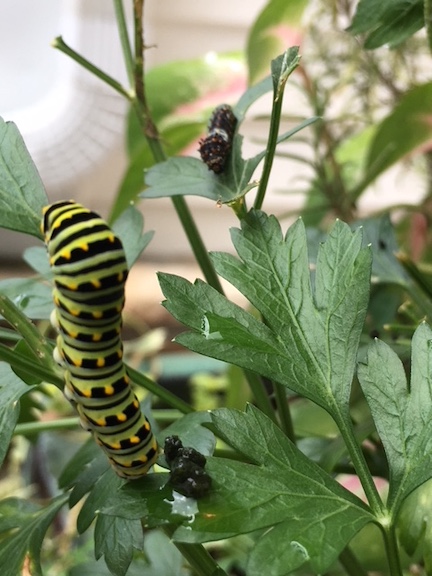
Notice the size of the caterpillar in relation to the leaf.

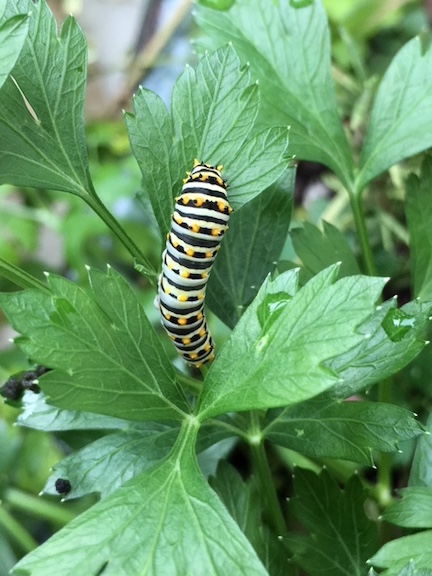
Caterpillars generally go through 4 or 5 stages, or instars, where they shed their skin, preparing for a larger body. After three days, all of “my caterpillars” had moulted and were the more familiar green and yellow stripes with yellow and orange dots.

Black swallowtail caterpillars look very much like monarch butterfly larvae. The difference is that the monarchs do not have dots – just stripes.

Notice that the caterpillar is now much larger than a parsley leaf – or what’s left of it!

Caterpillars are truly amazing. They have been called “eating machines” for a good reason. Their only function in life is to eat and they increase their body weight thousands of times over. To help them do this their bodies are equipped with an astonishing 4000 muscles! Swallowtail caterpillars prefer to feed on parsley, Queen Anne’s lace, fennel and dill.

Of course, the fatter the caterpillar, the more appealing they look to song birds and other predators. I am hoping that the close proximity to the house will provide some protection for them.

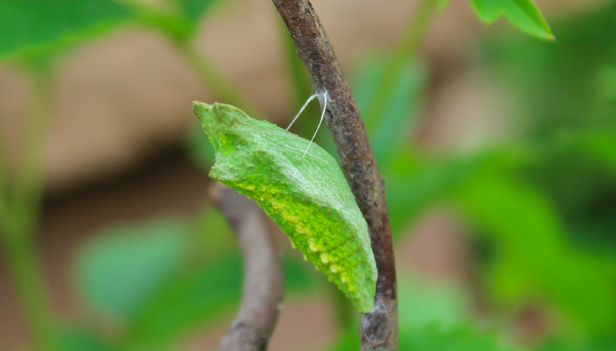
The chrysalis is suspended from a twig or branch by a silken girdle. If it is brown instead of green, it will probably overwinter in this stage.

In the meantime, my parsley plant is looking a little……defoliated. But who cares? I can buy a sprig of parsley at the store for 69 cents. But watching magic unfold on my doorstep? Priceless!

Oh Deer!

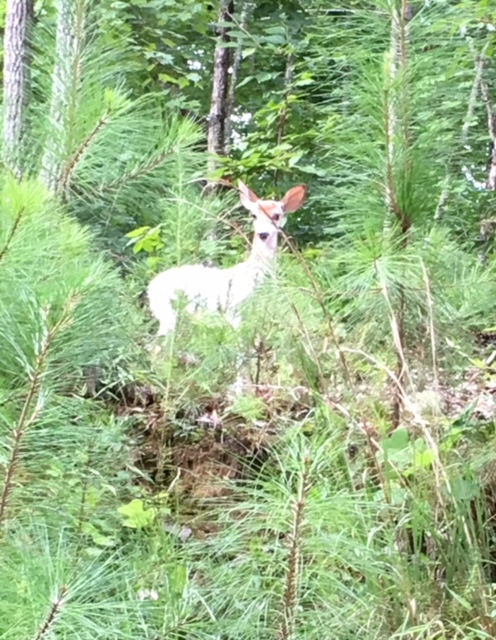
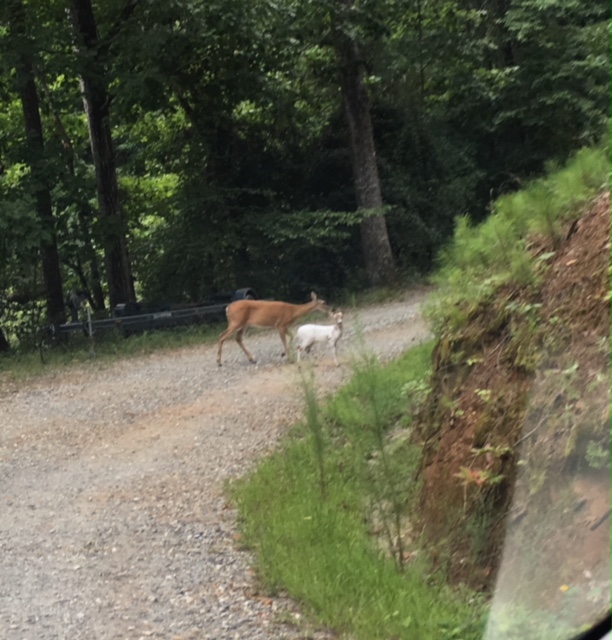
For those of you who have been reading this blog for a while, you might remember that in Spring 2019, I wrote (rapturously) about seeing a white fawn in the woods close to Lake Lanier.

In the 18 months since then, a lot has happened (understatement!). But one of the fun things has been watching this beautiful little white fawn grow up. And, much to my surprise, “she” seems to have sprouted antlers this summer. So much for my instinctive feeling that it was a girl.

The white deer last spring. “She” was tiny. Now “he” is a yearling with antlers!

As far as we can tell, the deer is healthy and does not seem to be shunned by the other deer. He is not an albino, but a true white with some brown spots on his neck and face. White deer are quite rare, though there is an entire population of them on an island in a lake in New York State.

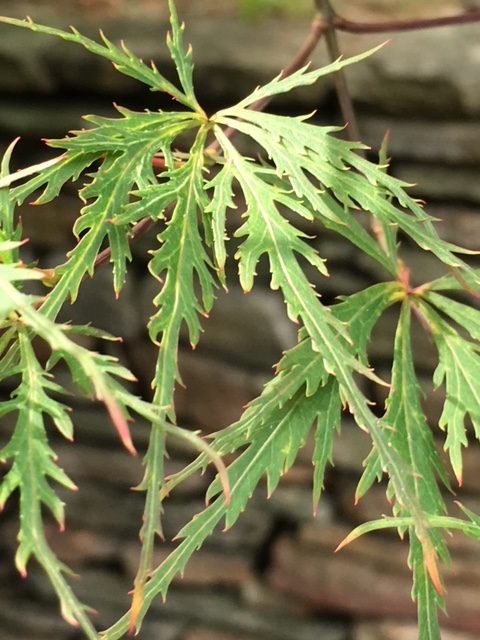
As enamored as I am with this deer, I have to admit to some feeling of frustration when I discovered that he and his friends had apparently had a feast in my carefully planted flower beds. Having never gardened with deer before, I just didn’t THINK about it, until I arrived to neatly grazed flowers, with just the nubs sticking above ground. They ate every leaf off every plant, including a small Japanese Maple tree.

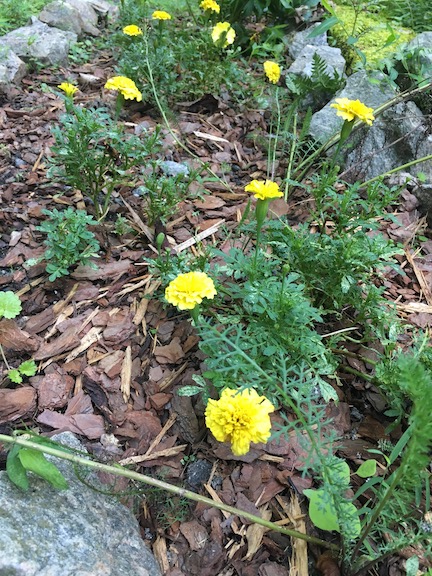
So, out came the books, the websites and the gardening magazines on a search for plants that deer WON’T eat. And all the experts say that deer will eat anything if they are hungry enough. But, heavily scented and deeply textured plants seem to be low on their list of preferences. So, I tried black eyed Susans with fuzzy leaves, which they ate right up and continue to nibble on whenever it has a chance to recover. And yarrow, which has a strong medicinal scent, which at first they ate but have not yet eaten the new growth. They seem to leave alone lenten rose and most ferns and SO FAR marigolds.

I’m pretty philosophical about gardening with deer, I don’t depend on my vegetable garden to sustain us and though it’s nice to have a few flowers out front, it’s not absolutely necessary. And, even though they are destroying my garden, I am still thrilled when I see these graceful creatures bounding through the woods. After all, they were here before I was and have a more legitimate claim to the woods that I do. So, when I see a blaze of white running through the woods, I’m grateful to be in a place where wild things are still wild.

On wings of gold

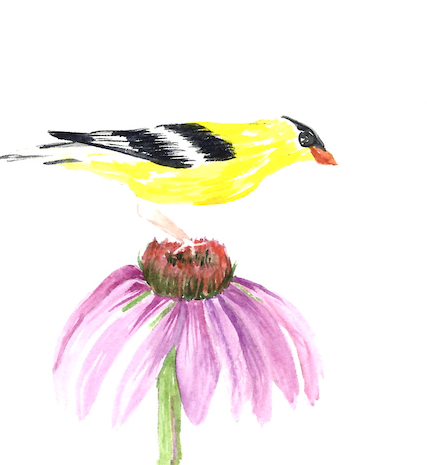
Every morning, a cup of coffee in hand, I wander out to the front garden to see what wonders the night has brought and I am never disappointed. This morning as I approached, a host of goldfinch created a blaze of bright yellow as they flew from the purple coneflower seeds they had been feeding on.

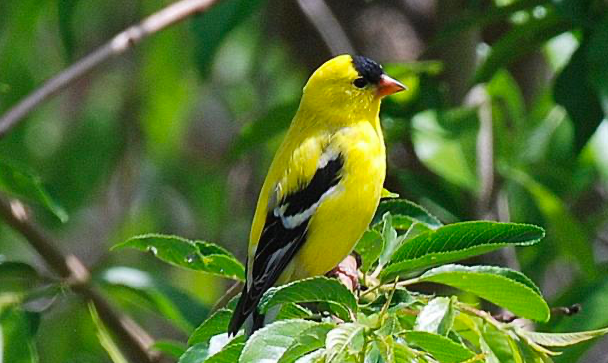
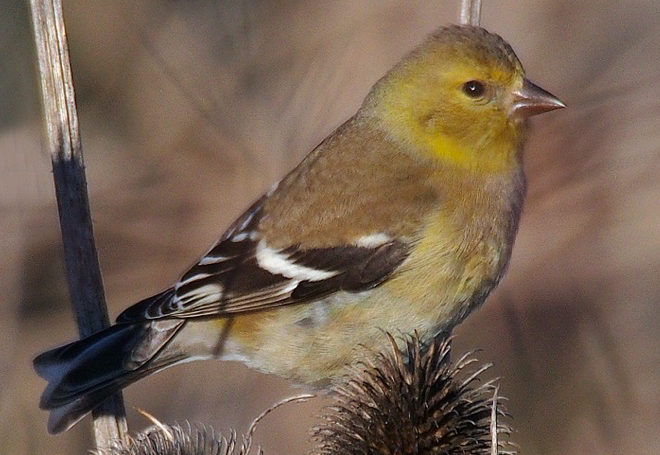
Goldfinch are hardly rare, particularly at this time of year but this does not diminish my enthusiasm in the least. They are simply beautiful creatures with their bright yellow bellies and backs and bold black wings and head patches. Only the males exhibit this coloration and only during breeding season, which lasts from mid-July through September.

Photo from Georgia Department of Wildlife

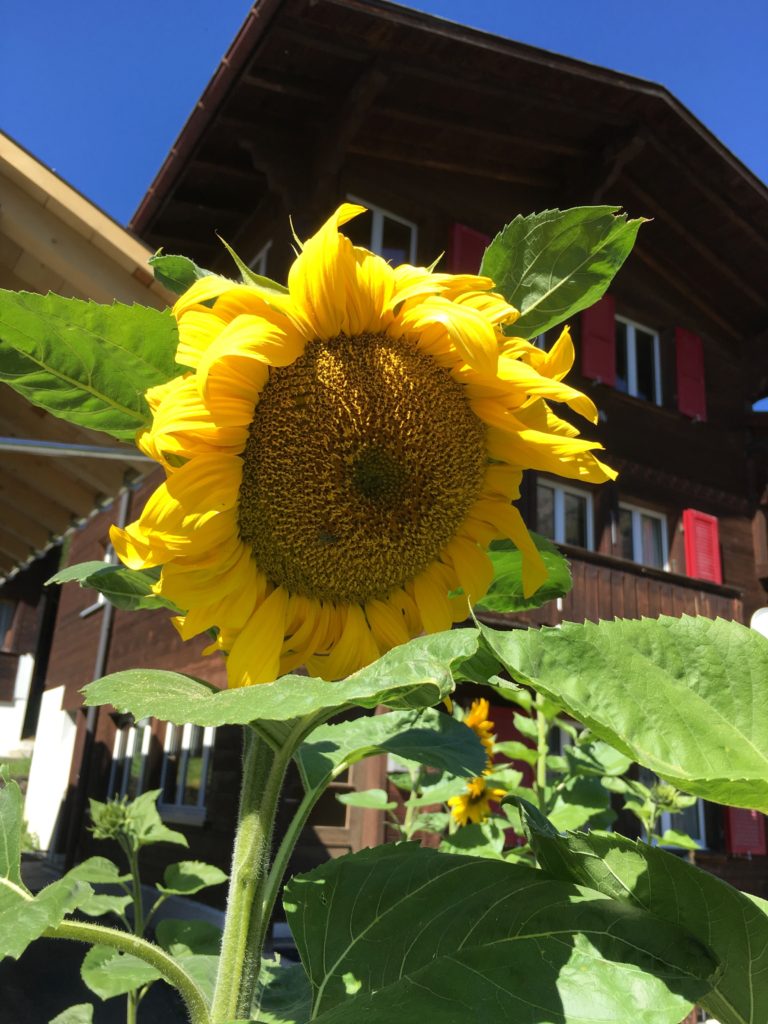
The late breeding season corresponds with the appearance of seeds from their favorite plants. Milkweeds, thistles, sunflowers, zinnias, black-eyed Susans, coreopsis and purple coneflowers all provide an abundant source of food for goldfinch. In spite of its seemingly voracious appetite, though, a goldfinch only weighs about a half ounce.

The brightest plumage is shown by the healthiest males who are best able to absorb carotenoid pigments from the seeds they eat. According to Dr. Kevin McGraw, an ornithologist at Arizona State University, females are attracted to the brightest birds because they have proven to be the healthiest and best providers.

After breeding, when they no longer have to dazzle and impress with gorgeous plumage, the males molt and the new feathers are a much more subtle dull yellow and buff color.

Photo by Sonoma County Bird Watch

Goldfinch are monogamous and generally have one to two broods each year. While the female builds the nest (which measures about 3 inches across) and tends to the second brood, the males take over feeding the first brood.

It’s easy to attract goldfinch to the garden. In summer, plant their favorite seed food and in winter, fill bird feeders with thistle or sunflower seeds. Then sit back and enjoy the show.

Bunches of basil

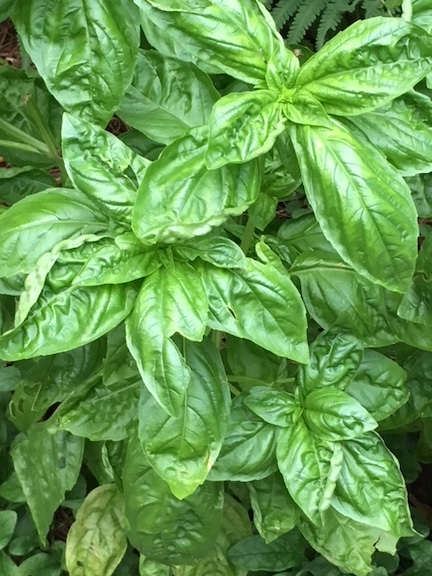
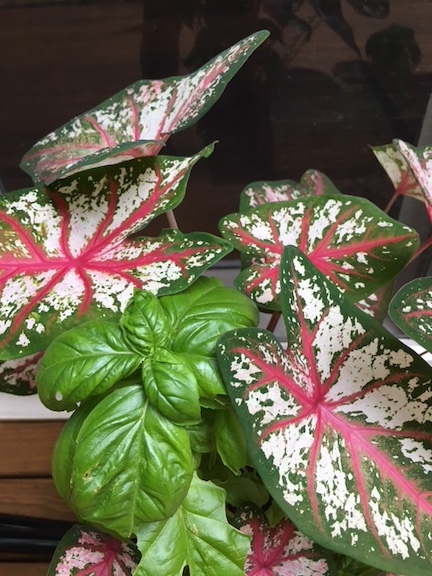
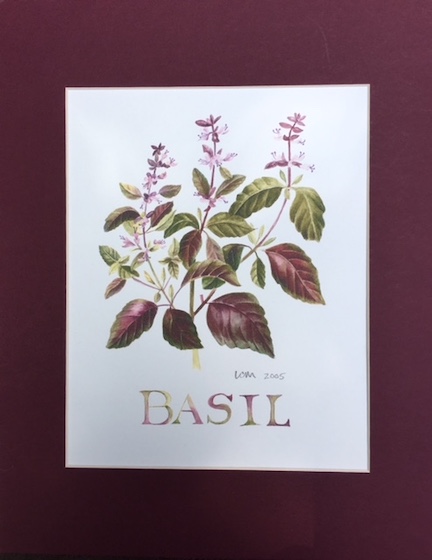
I have a bumper crop of basil this year. I started it from seed in late spring and a dozen little basil plants sprouted and grew. I gave some away and stuck the rest in all kinds of nooks and crannies in the yard.

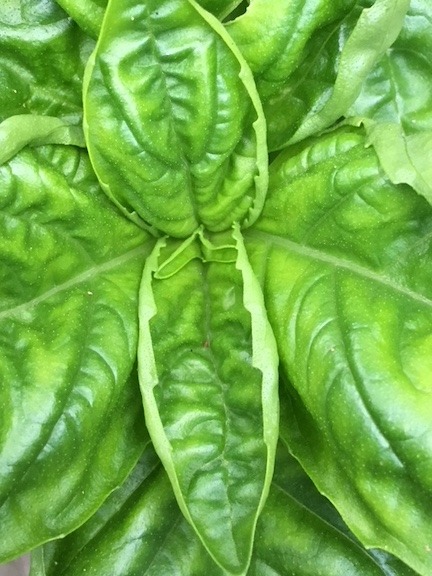
It’s been a good summer for basil with hot temperatures and lots of rain so my basil plants are booming and I have plenty of leaves to make pesto. The kitchen smells incredibly green and wonderful as I pick and cut the pungent leaves.

Basil originally hails from India, Africa and Asia and has been prized for both its culinary and its medicinal value for many centuries. In India, holy basil is considered a sacred herb and is dedicated to the gods Vishnu and Krishna. The French call it herbe royale and, according to tradition, if a man gives a woman a sprig of basil, it’s a symbol of his undying love.

But before you start stripping leaves off the nearest basil bush to give to your beloved, consider this: A 17th century botanist wrote about a gentleman of Siena who used powdered basil as snuff. “In a short Time, he turn’d mad and died; and his Head being opened by Surgeons, there was found a Nest of Scorpions in his Brain.”

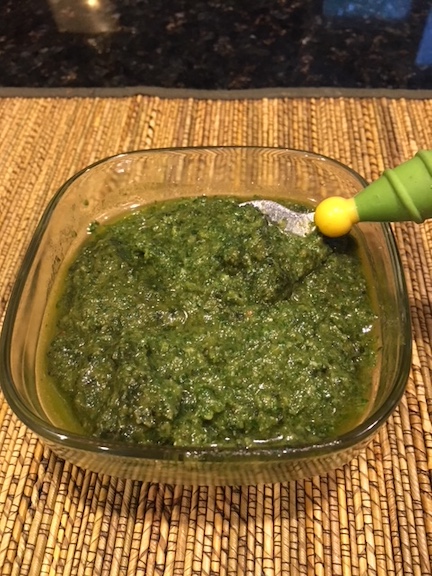
Unless you think that basil will cause scorpions to nest in your brain, try the fresh leaves as flavoring for sauces and for making pesto. I’ve included my favorite recipe below. Basil is a really easy plant to grow from seed and provides beautiful rich, green leaves all summer. It doesn’t like cold weather, though, so at the first hint of frost, it will be done for the season.

Perhaps I should have done a bit more basil research before planting it in every nook and cranny of my garden. According to an Italian custom, placing a pot of basil on your balcony is a sign that a woman is ready to receive suitors. No wonder Jack kept moving those pots to the back yard!

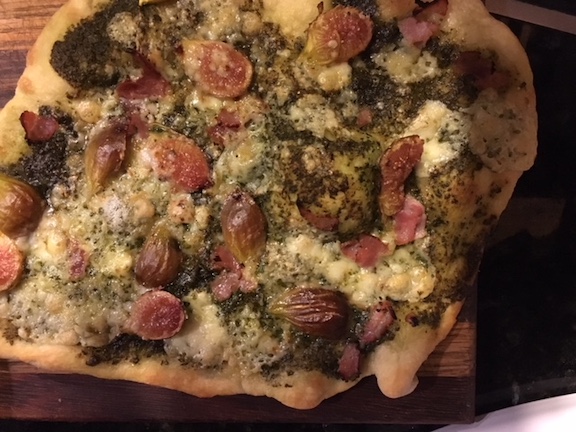
The following is a mild but beautifully flavored pesto. We use it on fish and pasta but our favorite is pizza with pesto, goat cheese and fresh figs. Yum!!!!

Pesto:

Ingredients:

  • ½ cup pine nuts
  • 3 oz. Parmesan, grated (about ¾ cup)
  • 2 garlic cloves, finely grated (about 1 teaspoon)
  • 3 cups basil leaves, packed
  • ¾ cup extra-virgin olive oil
  • salt to taste

Toast pine nuts at 350 degree for 5 – 7 minutes until slightly brown. Place in food processor to cool. Add garlic and cheese and blend for about 1 minute until it forms a paste. Add the basil and turn the processor on again, slowing pouring in all the oil. Blend for 1 minute. Add salt to taste.

Enjoy

Okra – a staple of the South

Okra is one of those things that people love – or not. Granted, with it’s somewhat mucilaginous (okay, some same slimy) texture, it can taste a little odd. BUT coated in cornmeal and fried, or dropped into tiny pancakes like a fritter or in a big pot of gumbo, okra can be absolutely delicious. And, people have thought so for a long time.

Okra originally came from Africa, probably around Ethiopia where it has been cultivated since 2000 BC. It most likely came to Brazil and the Caribbean on ships during the 17th century and then later made its way to Charleston where it was put into soups and stews with other vegetables and a little meat. This was eventually called “gumbo.” The Bantu word for okra is ochingombo and even today okra is known in French speaking countries as gombo. In India it’s known as “Lady Fingers.” It was also used, both in its country of origin and elsewhere, as a thickening agent.

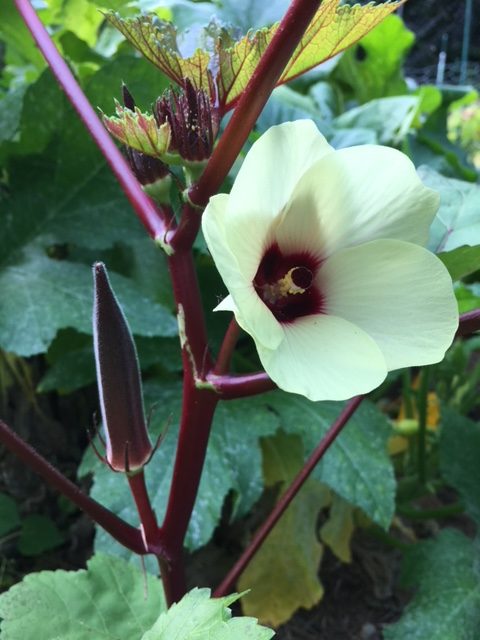
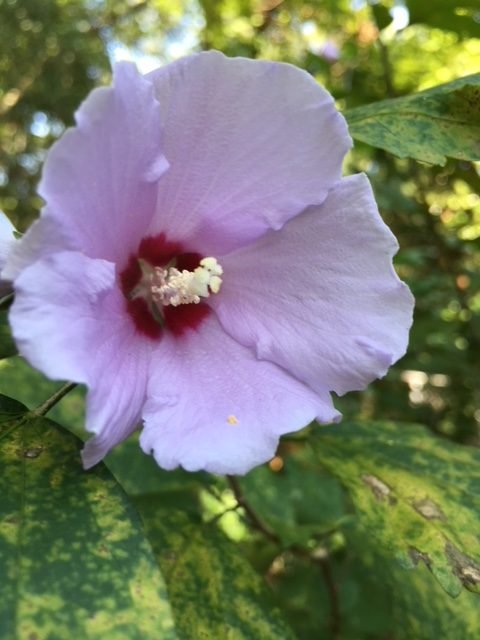
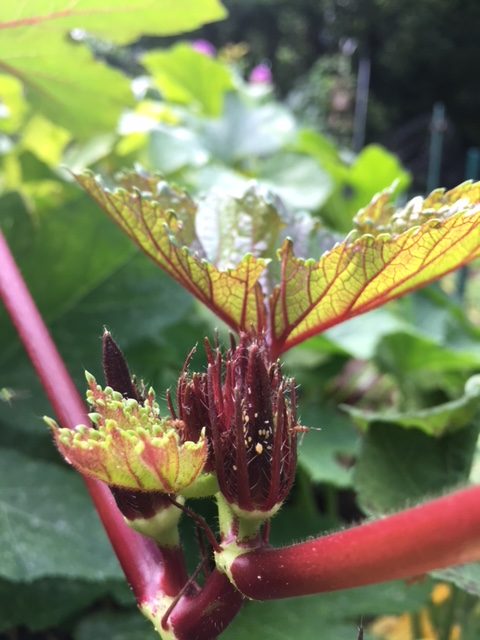
Even if you don’t want to eat it, okra is a lovely plant to grow in the garden, especially the new cultivar ‘Red Burgundy’ which has wine red stems and pods. The pale yellow blossom looks very much like the flowers of hibiscus or cotton, both of whom are closely related.

The closely related hibiscus.

This is one plant that loves hot weather. Ask okra “is it hot enough for you?” and the likely answer will be NO! Like a kid who won’t jump into the lake until the water warms, okra refuses to grow until it is HOT. I planted mine in late April and it remained about 4 inches tall for months, in spite of fertilizer, extra water, wheedling and threats from me. But once summer arrived, it shot up and filled out and I will pick the first pods in a few days and fry it up for my family, all of whom are southern and most of whom love okra. You don’t have to be southern, of course, to love okra. But it helps.

Happy gardening.

Laura
Traveling to the end of the……yard and back

I was born to a family of travelers and adventurers. My mother was a passionate traveler. She didn’t really care where we went, just as long as we went somewhere.
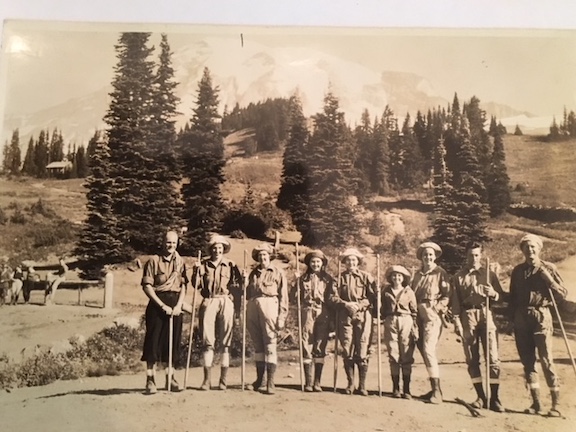
My parents (2nd and 3rd from right), hiked at Mt. Ranier in 1936.

My father was a little more particular about the “where.” He loved wilderness and adventure and when I was seven, he announced to the assembled family that he’d like to wash his feet in the Yukon River. We spent the summer of 1959 driving to Fairbanks, Alaska and back to participate in the Fourth of July parade when Alaska became the 49th state.

The Milepost Guide was essential to traveling on the Alcan Highway, listing where to get gas and supplies. Seeing another car was rare, and cause for celebration.

When Jack and I met, part of the attraction was a shared passion for travel. Jack, too, loves wilderness and adventure and has trekked in Nepal, climbed frozen waterfalls in Colorado and camped out on glaciers in Alaska. We planned for years and years of travel together all over the world. Of course, that was before 2020 and Covid.

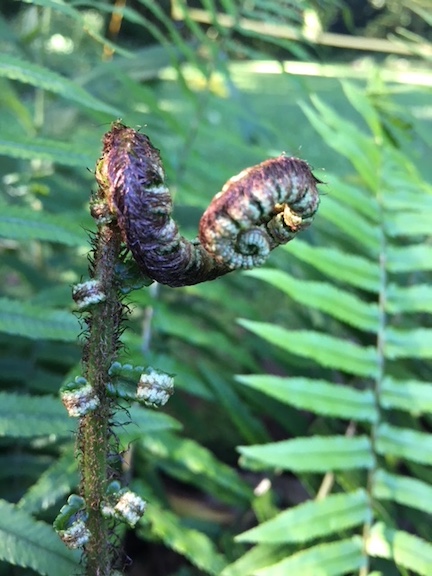
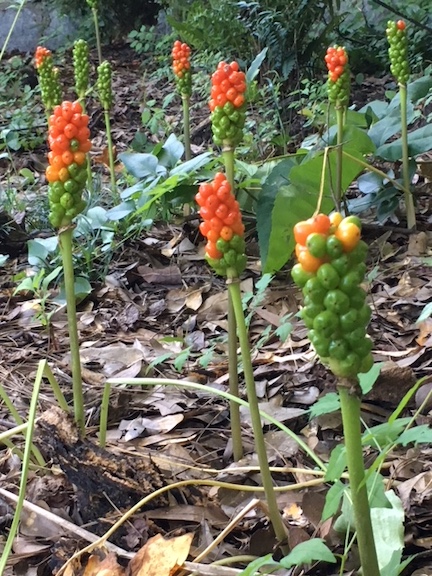
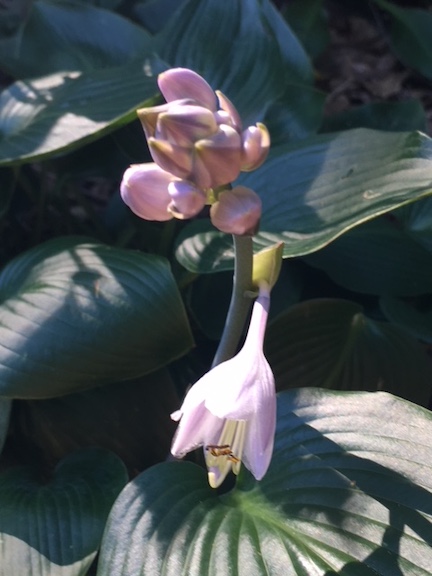
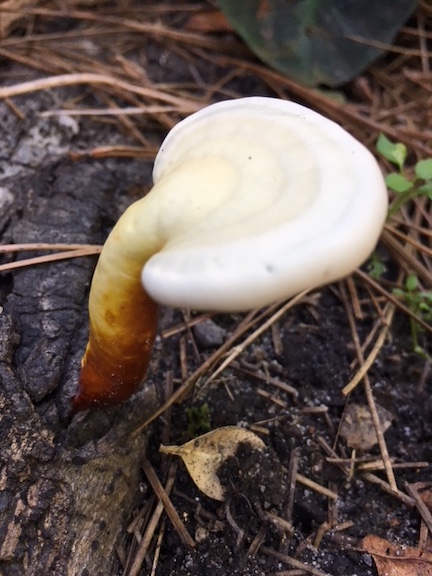
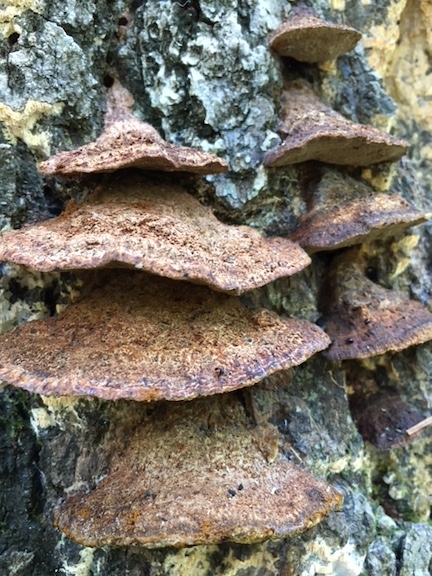
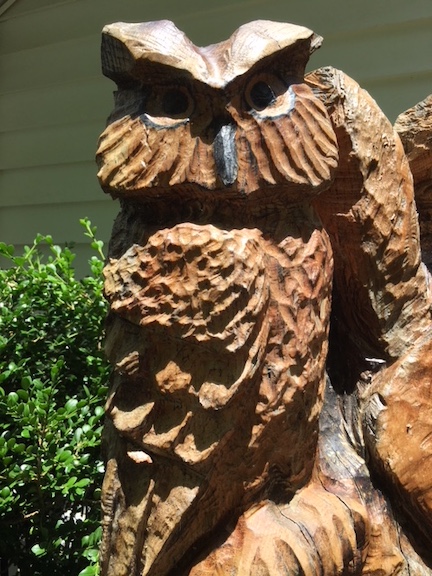
Along with everyone else, our wings have been clipped and we’re home bound for the foreseeable future. So, I decided to explore my backyard and look at it as if it were a foreign country. I looked beyond the beauty to find the unusual, the bizarre and the interesting, just as I do when traveling. After all, if William Blake can find “A world in a grain of sand and a heaven in a wild flower, ” surely I can find a whole new country in my backyard. The following is a photo album of my trip to my back yard. Bon voyage!