In a pickle

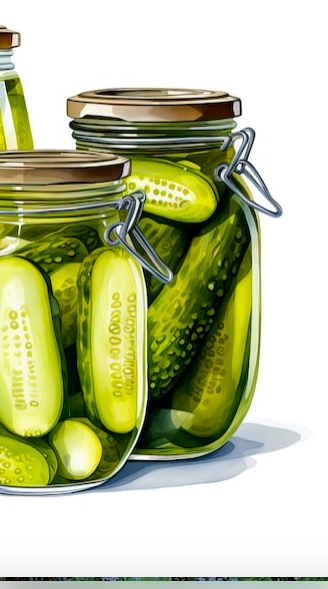
For a couple of hours, every few weeks this past summer, my driveway smelled something like a jar of pickles. Though odd, it proved to be worth every strange look I got from the neighbors. The reason?
In my never ending search to have and maintain an earth friendly landscape, I sometimes need to rely on commercial “organic” products. One of these times was this past summer when Jack (ever patient husband) suggested that the weeds between the paving stones in the driveway were looking a little, well….weedy.

What! Weedy? For weeks I had convinced myself that these small green plants were like “steppables,” those low growing mat spreading plants that you plant on purpose. But, as the summer progressed and these little plants kept growing and spreading, even I had to admit that they looked weedy.

My first plan was to dig them up by hand but after twenty minutes I knew that was going to be far too time consuming. My next thought was to pour boiling water on them but after heating a pan of water on the stove and then pouring it on the weeds I knew that was going to be even slower than pulling them out by hand.

And then I thought of vinegar which I knew is sometimes used to kill weeds. Vinegar is a natural product, made when yeast feeds on the sugar or starch of plants such as fruits and grains. The liquid ferments into alcohol which, when exposed to oxygen and the acetic acid bacteria Acetobacter, produces vinegar.

I found a commercial grade vinegar called “Green Gobbler” which is 20% pure acetic acid (household vinegar is usually 5 – 8%) with a pump spray and tried it out. Within a few hours, the weeds turned brown. Success! But I was left with several questions.

  1. Would it last? Did it really kill the weeds? No. It kills the leaves but not the roots but it took about a month for the plants to begin putting out leaves again and another couple of weeks for them to look weedy so that was okay by me.
  2. Is it really a natural product? I’m not sure. A quick search determined that vinegar is natural but the process to get it is not always so. Petroleum is sometimes used to process vinegar. I could not determine whether or not petroleum is used to make “Green Gobbler ” but I suspect the answer is yes.
  3. How does the vinegar effect the pollinators, other insects and soil microorganisms ? Vinegar is lethal to bees. But, I was spraying directly on paving stones so I think few of the fumes became airborne. And, I think there is really no soil life under the driveway. It could impact the runoff from the driveway but I think this is a minimum risk.

In a world in which we all have to “pick our poisons” from politics to cocktails, I think this particular poison is a good choice, in spite of smelling like a pickle!

The Southern Environmental Law Center – place based action

Jack and I had the great fortune to spend last weekend with supporters and staff from the Southern Environmental Law Center. The conference was held in a beautiful lodge adjacent to the Great Smoky Mountain National Park and there was no more beautiful place to talk about the goals of SELC – place based action.

I was a little unsure just what “place based action” entailed so a quick search provided this definition: targeted action to a particular locality with combined actions to improve social, economic and environmental conditions.

Wow. That’s a goal I can fully and unconditionally support. Though the primary concern of SELC is the environment (obvious from the name), they are also advocates for social and economic justice within the southern states where they work – Georgia, Alabama, North Carolina, South Carolina, Tennessee and Virginia. And what makes them so effective is that they know the South with all our quirks and glories. They know the big companies and the small town mayors, they know the government agents and the legislators. And they know how to get things done.

A great example is their work in Adel, Georgia to provide greater protection from the impacts of wood pellet production. The Spectrum Energy plant is located next to primarily Black and Hispanic residential neighborhoods which, for years, have withstood the noise, pollution and traffic caused by the plant.

Along with the Concerned Citizens of Cook County, SELC filed a federal Title VI Civil Rights Act complaint. The settlement now provides protection for public health and limits any future expansion of the facility – both an environmental and social justice victory!

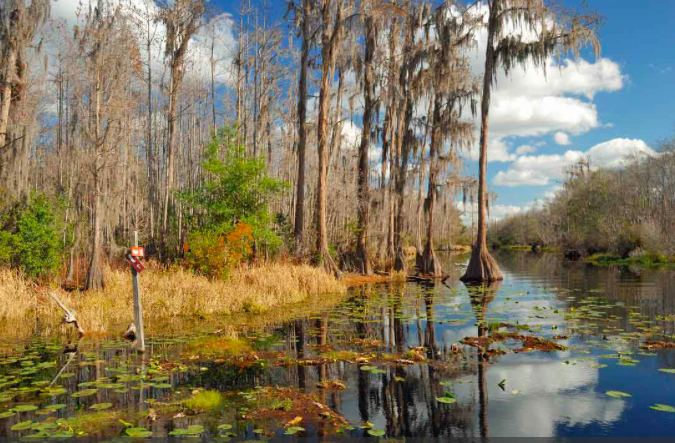
From fighting the proposed titanium mine that would have tremendous detrimental impact on the Okefenokee Swamp to securing protection for our wetlands, to working hard for clean energy for the south, SELC works tirelessly. They are dogged in their determination to protect our environment for the future.

Okefenokee National Wildlife Refuge

I left the conference impressed, enthused and surprisingly optimistic. I have to admit, though, that the highlight of the weekend for me was an early morning hike up to Hemphill Bald in the National Park. It was a tough climb and when I got to the top I just stopped and took in the spectacular view, relishing being in this place.

Perhaps to best defend a place you have to know it and perhaps the best way to know it is to be in it. And then you’re ready for the fight because then you are defending home and for me, “home” will always be the South.

For more information about the Southern Environmental Law Center and the excellent work they do, go to https://www.southernenvironment.org

Measuring the value of a garden

So, I failed. The kind ladies from the Georgia Native Plant Society came this morning and strolled through my garden. And, much to their disappointment – and my surprise – I do not qualify as a native plant habitat. No one likes to fail but if I had to do it, I couldn’t have failed with a nicer group of people.

Not quite native enough

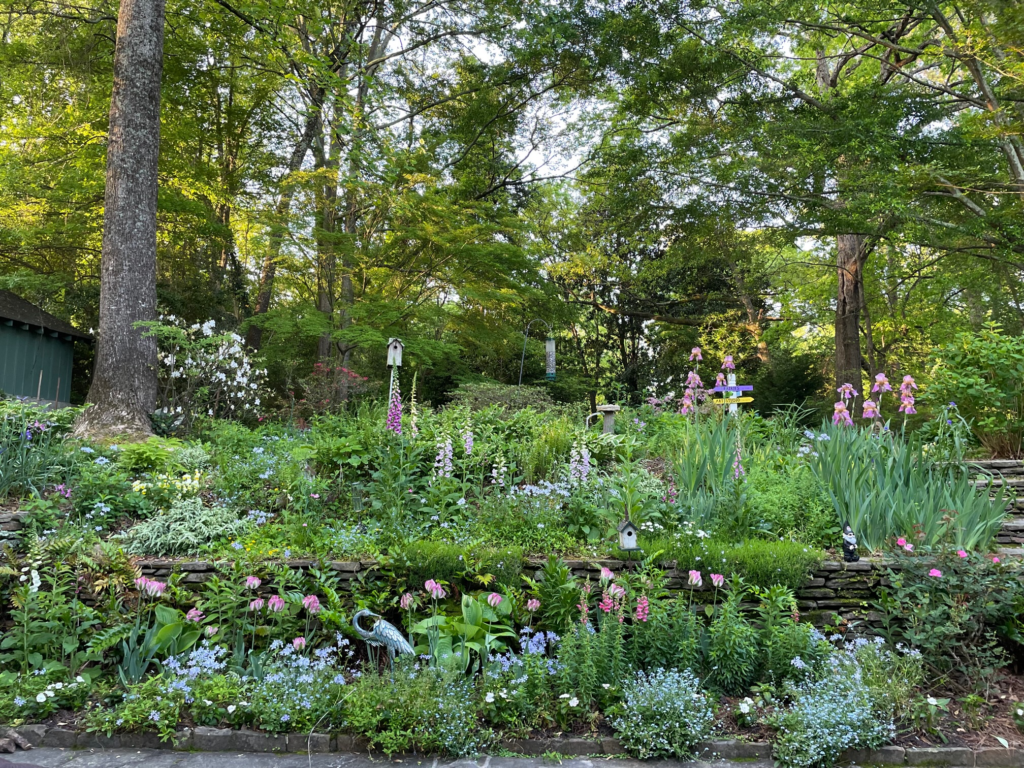
The problem isn’t that I don’t have enough native plants, the problem is that I also have too many non-natives. And by non-natives I don’t mean weeds. They assured me that if I took out the hostas, lenten roses, variegated Solomon’s seal, the liriope, zinnias, dahlias and marigolds, I might pass. But why would I do that?! That seems like a lot of work, effort and money, to say nothing of the fact that all that tearing out and replanting would be detrimental to the organisms in the soil and the overwintering insects. And, I like those plants. Would my garden be any more appealing and useful to pollinators and wildlife if I simply removed them? Would it help a greater environment? I think not.

But this certification is not about the worth of a garden, it’s based simply on the percentage of plants found on your property that are considered native to Georgia or the Southeast. For example, poison ivy (which is native) counts but zinnias do not. I have a beautiful garden with a lot of native plants in it, just not in the right proportions for certification purposes. For the gold standard, 2/3 of all the plants on the property have to be native.

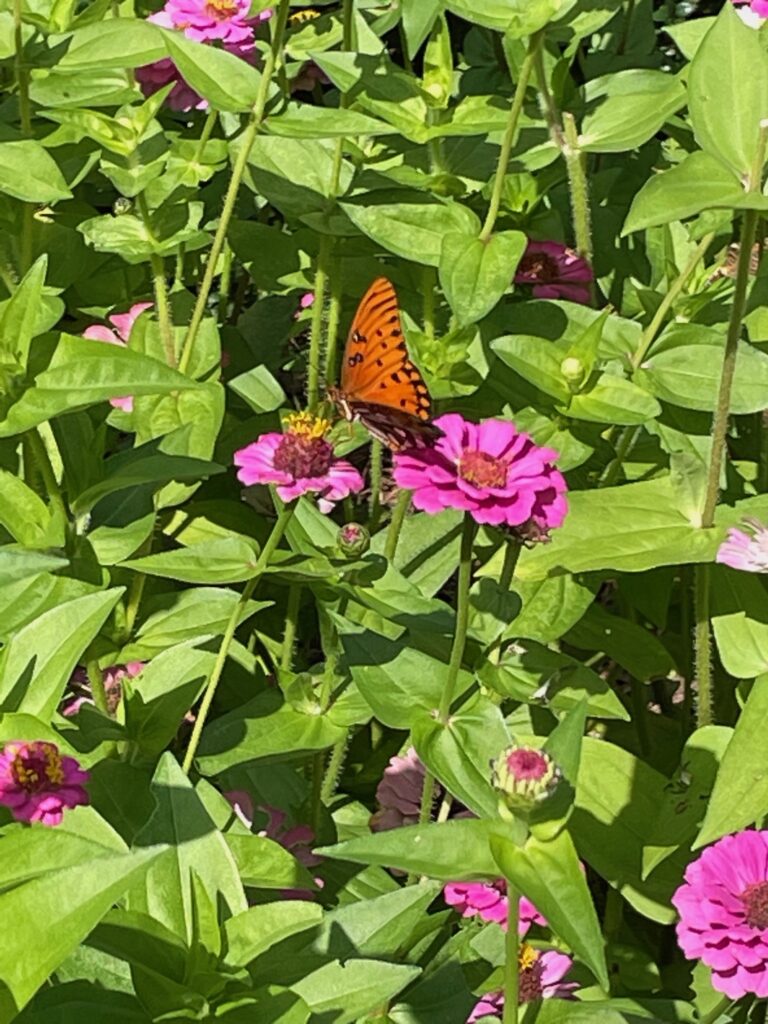
Happy zinnias, happy butterfly

Additionally, they found ivy – not in a pot, I had removed ALL the potted ivy. But I haven’t been able to get rid of all of it on the property and they found it growing under the deck and in the way back part of my yard. The fact that I’ve removed 98% of the ivy from my yard doesn’t count, just what’s there now.

But it all made me stop and ponder about why I wanted certified in the first place and how I felt about not getting that certification and, more importantly, why I garden. It’s been a good conversation to have with myself.

I wanted the certification because I am always trying to encourage people to grow more native plants and I thought a certification sign out front might help. I love our native plants and feel that they greatly contribute to the overall health of the environment. But I love my non-natives as well and there are certain landscape needs that I can’t fill with native plants, or at least I haven’t found them yet.

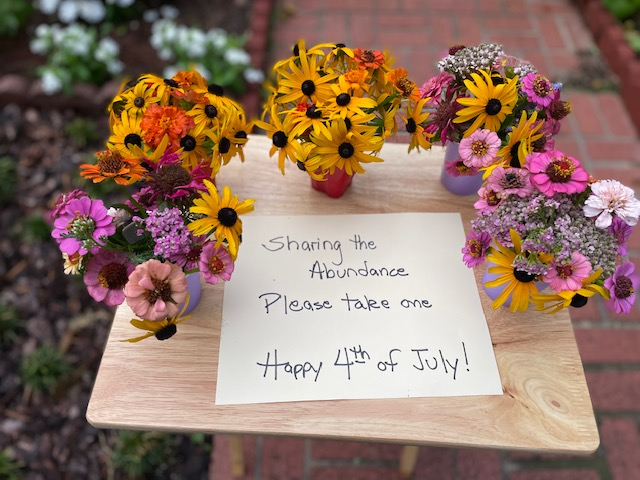
But I don’t garden for certification or recognition. I garden because I love to dig in the earth and help make things grow. I garden because the flowers I grow are beautiful. I love being an unexpected spot of glorious color along a neighborhood street. I love watching pollinators flock to the flowers. I love sharing my garden and have given away hundreds of cut flowers this summer. I love working in my garden and chatting with my neighbors who stop to admire the flowers. All in all, it’s been the best gardening season of my life.

I grew a beautiful collection of native and non – native cut flowers this summer – enough to share with neighbors!

I think native plant habitats are wonderful and useful and great for the environment and hooray for those who choose to garden this way. As for me? I’m happy and satisfied with what I’ve created. Certified or not, it’s a garden to love.

The art of avoiding invasive plants

I am trying to get my garden certified as a native plant habitat. The very excellent organization, the Georgia Native Plant Society offers this certification and the committee is coming to my yard and garden next week. I’m pretty certain I will fail. Not because I don’t grow enough native plants, which I do, but because one of the questions on the registration form was “Do you cultivate invasive plants?”

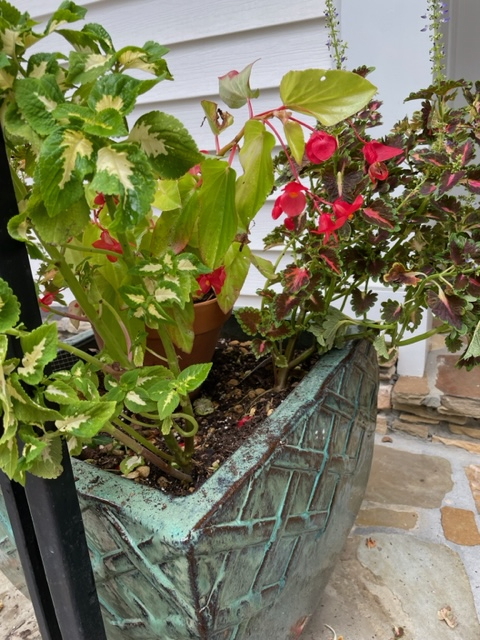
While filling out the form I gleefully and arrogantly put in a big red NO. I fight invasive plants in my yard. Every day I pull up English ivy, vinca, privet, mahonia…..the list is discouragingly long. Why would I grow these on purpose? But as I left the computer to go outside, I passed the pots on the porch and there, right in the middle, spilling over the sides was English Ivy, one of the most offensive and damaging of all invasive plants. It has a variegated leaf but still, it’s English ivy, the bane of my existence.

I thought about pulling it up (or hiding it under pine straw!) but that seemed silly. It looks nice and poses zero threat of invasion. I didn’t buy it, I stuck a small rooted leaf in the pot years ago. So I told myself, what’s the harm?

But what message does that convey to the many people who come to see my garden? I would hate for anyone to think that I support growing invasive plants. So maybe I should pull it out (before next Tuesday!). Because I know how much damage invasive plants do to our fragile ecosystems, I’m beginning to think that I should not grow it under any circumstance.

Many of our threatened and endangered plants are being smothered by non native plants that spread like a plague. Just imagine a roadside full of kudzu and then try to imagine some tiny native plant, gasping for air, desperately trying to find enough sunshine and moisture to survive. It’s a disturbing image.

What is our responsibility to this issue, as gardeners and conservationists? Of course the first step is to not grow any plant considered potentially invasive (okay, even in a pot.) The next would be to find out if your favorite nursery and plant stores sell invasive plants (ivy, privet….you’d be amazed at what they sell.) And cultivars and varieties are not okay, most of them soon revert to their origins and become a problem. If the stores DO sell them, say something to the management and consider shopping at a store with a higher moral ground. And finally, volunteer to help remove invasive weeds in sensitive areas or to rescue plants being crowded out by invasive weeds. The Georgia Native Plant Society . https://gnps.org. often has volunteer days so this would be a good starting point.

And, wish me luck on Tuesday. I want my garden to not only be a safe haven for native birds and other pollinators but also to serve as an example of how we as gardeners are increasingly responsible for the stewardship of our planet .

Quillworts

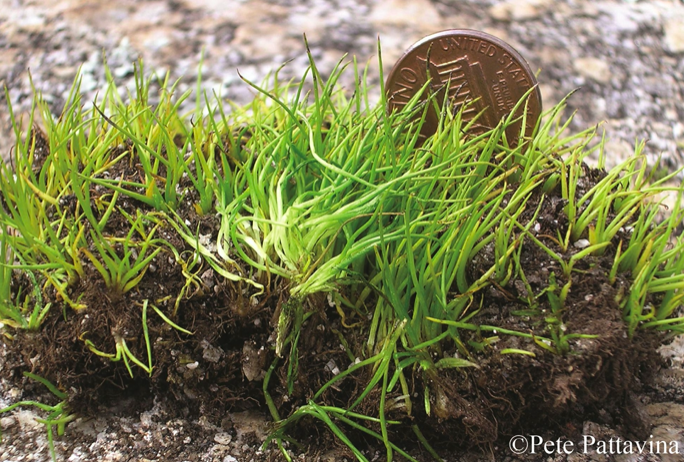
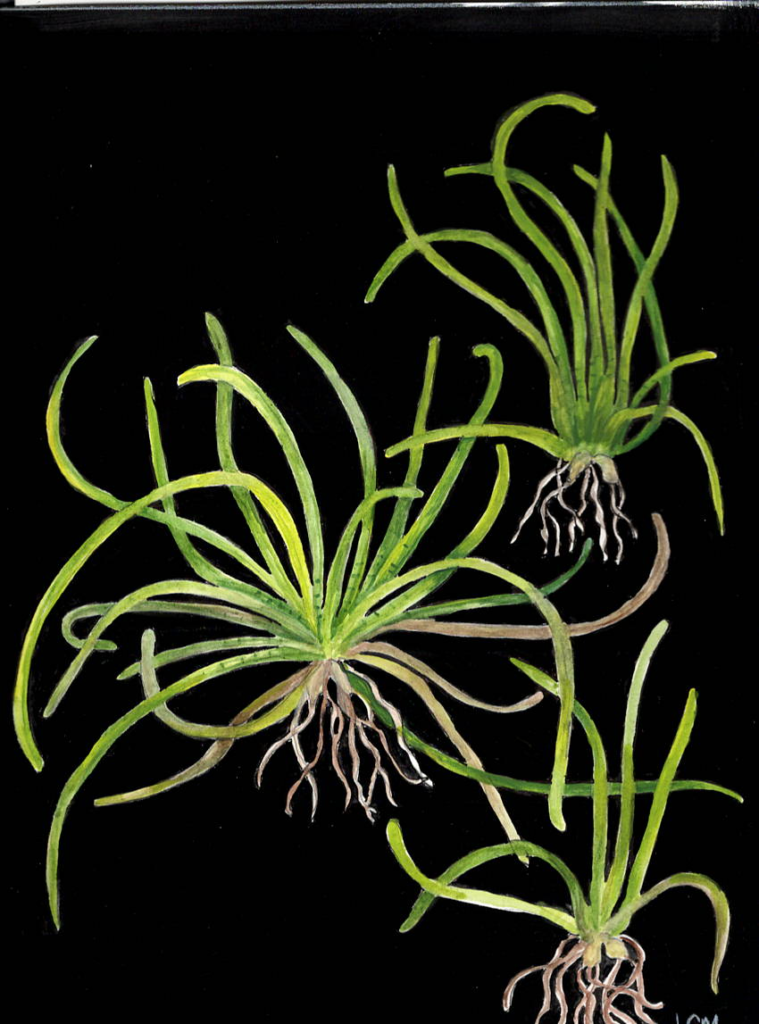
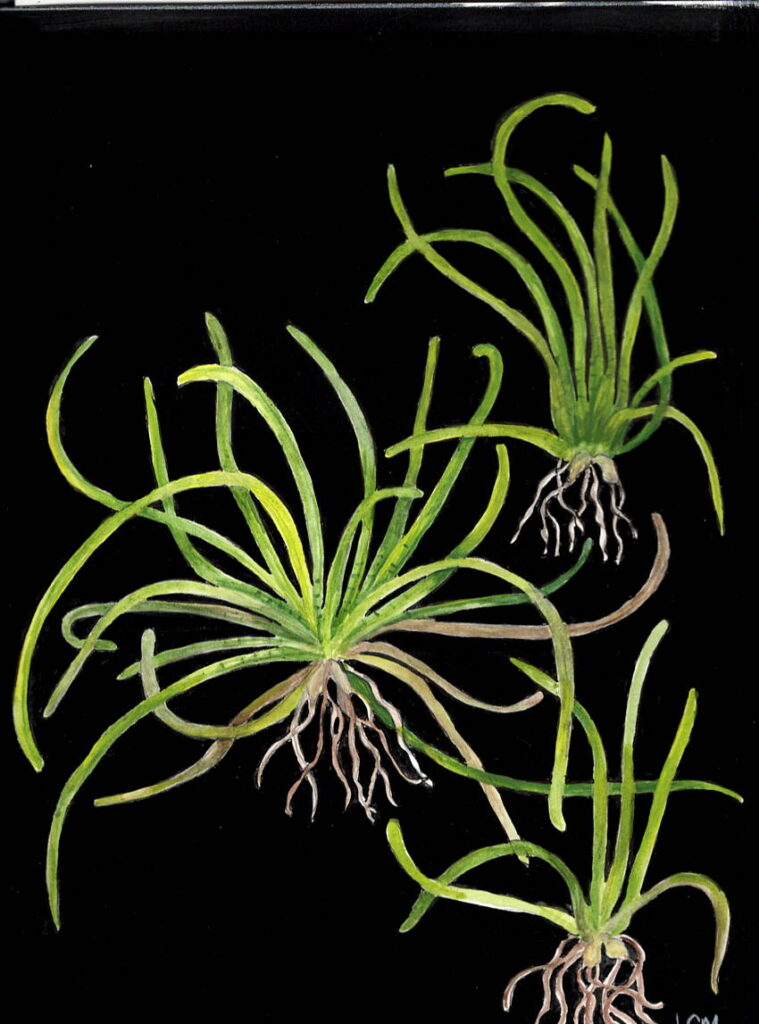
THE most endangered plant in Georgia looks like nothing more than a tuft of grass and grows in a puddle. Mat forming quillwort, Iosoetes tegetiformas is endemic to Georgia, meaning it grows nowhere else in the world. There have been only 15 documented populations found, 12 of which have been confirmed during the last 20 years.

Quillworts won’t win any beauty contests – they are non-flowering and tiny – the leaves only grow to 3 inches or less. But value and beauty are not synonymous and I am a firm believer in the worth of every species, no matter how small and insignificant looking.

Mat forming quillwort is sometimes called Merlin’s grass and this, along with a close relative, Black spored quillwort, grow in shallow, flat bottomed pools formed by natural erosion on granite outcrops. Historically, these are seasonally flooded with winter and early spring rains and receive additional moisture through seepage from surrounding habitats. Though Merlin’s grass is a perennial, it disappears during the dry season, reappearing only after a summer rain.

Like a tempest in a teacup, any disturbance (no matter how small) to these pools causes havoc for the species trying to make a living there. With increasing sporadic and violent weather patterns, water fluctuations are not as predictable. With invasive plants changing surrounding habitats, even more changes occur.

Other threats abound. Quarrying on the outcrops, off road vehicle traffic, trampling hikers and cattle – danger is everywhere. No wonder this little plant is considered globally endangered.

How can we help? The best way is to support the many organizations who are doing research and propagating this little plant. I have faith in the scientists and am optimistic that this – and all of Georgia’s endangered plants will be safely secured for our future.

Go by the Gallery at the Atlanta Botanical Garden to see Imperiled Beauty, showcasing quillworts and other federally endangered plants species in Georgia.

Long leafed beauties

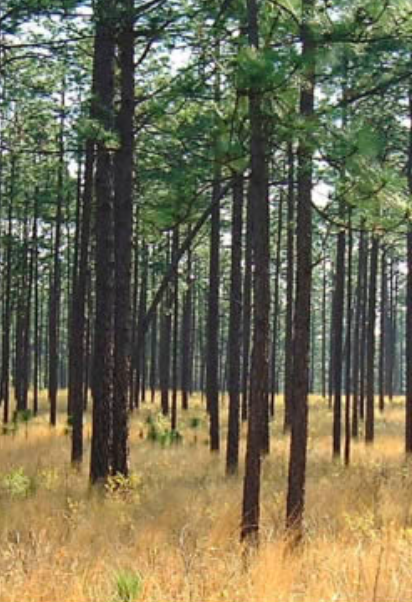
To walk through a Longleaf Pine forest is a near – mystical experience. The trees, intolerant of competition, grow straight and almost 100 feet tall. They are widely spaced with no low or mid level branches, which creates a beautiful, open vista.

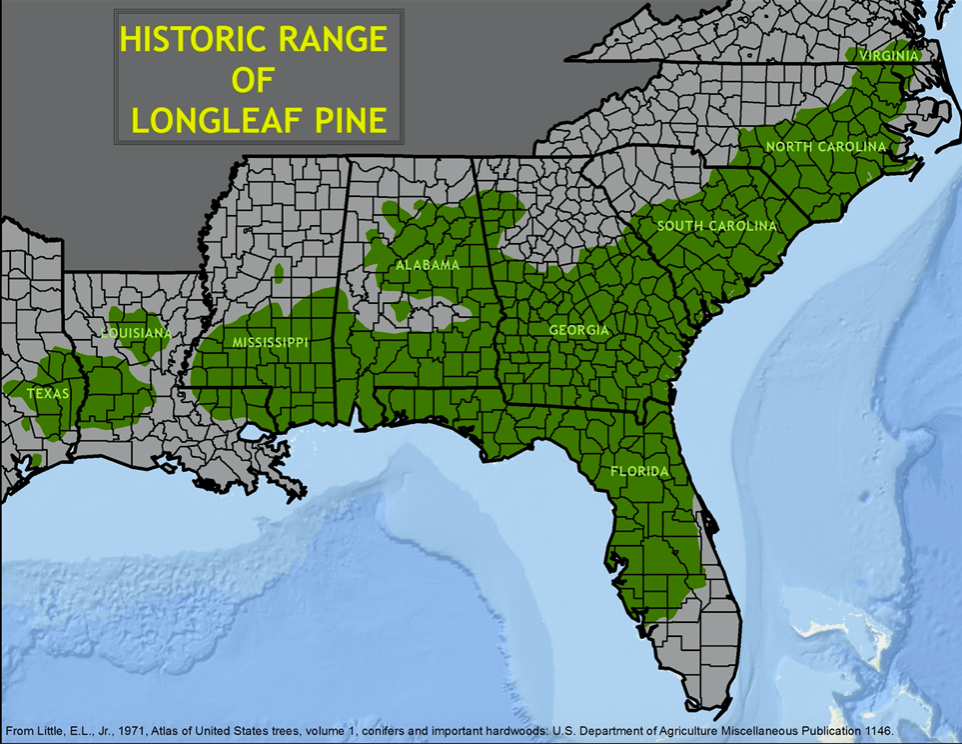
The original longleaf forests stretched from southern Virginia to eastern Texas and covered almost 92 million acres. Unfortunately, 97 % of this forest land has been lost, making the Longleaf Pine ecosystem the third most endangered ecosystem in North America.

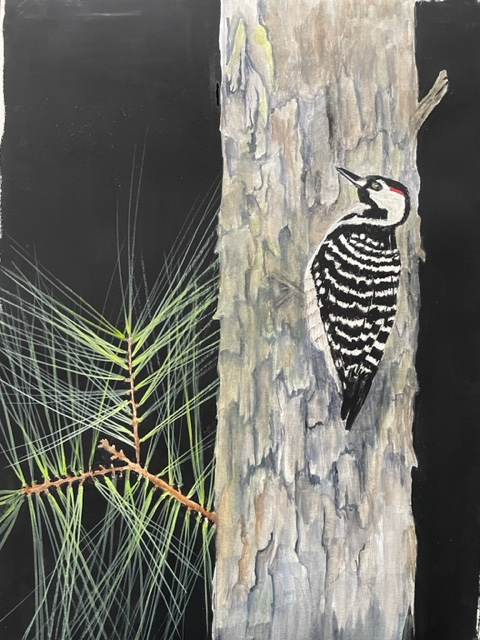
The open spacing of the trees provides ample sunlight for an astonishingly diverse understory. It’s here that native grasses and flowers thrive, providing homes, protection and food for a large number of organisms. Though longleaf pine itself is not considered endangered, the ecosystem supports 30 species of plants and animals that are designated as threatened or endangered, including the red-cockaded woodpecker (pictured below), the gopher tortoise and the eastern indigo snake.

Longleaf pines are surprisingly resilient. They are resistant to fire, most pests and beetles (including the dreaded pine beetle) and seem to tolerate well the adverse conditions caused by climate change. The greatest threat is from logging and development.

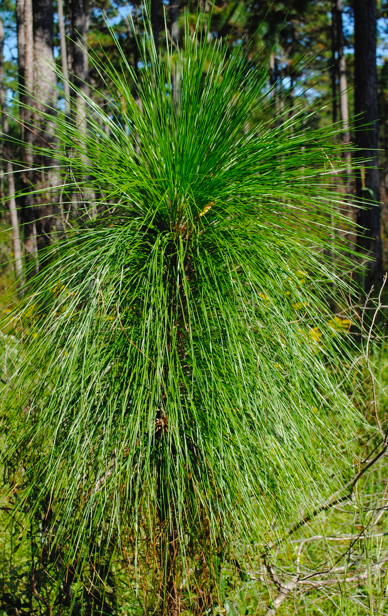
It takes a long time for a longleaf to attain maturity. The first years of life, it looks more like a teenager’s ponytail than a stately tree. The needles of the tree, which occur in groups of three, can be as long as 18 inches. For seven years the tree stays in a grass stage, putting all its energy into growing a taproot that can become about 12 feet long before the tree begins putting on height. It takes another 30 years for it to attain full height (80 – 100 feet) and to produce cones. The cones are wonders of nature, measuring up to 10 inches long.

Fire has always been and continues to be a critical part of the life of a longleaf pine forest. (For more about the conservation value of fire, see last week’s blog.). Historically, natural fires occurred every 2 – 7 years. Today, the health of the ecosystem depends on setting controlled fires to keep the understory open and free of potentially invasive plants.

For a fascinating look at some of the history of the Longleaf Pine, read Janisse Ray’s Ecology of a Cracker Childhood.

For more information or to support organizations working on conservation of this important species, click on the following links.

http://www.longleafalliance.org

http://longleaf conservancy.org

Fighting fire with fire

The tragic wildfires in Maui and the ongoing wildfires in western Canada have been in the headlines for weeks. It has been a horrendous fire season and prayers go especially to the people in Maui where the loss of life has been devastating and the number of people still missing shocking.

Wildfires, worsened by the effects of climate change, make us all feel vulnerable and the results over the past few years have been catastrophic. But in the midst of all that, it’s important to remember that fire, like many other things, can be both devastatingly harmful and also extremely beneficial.

For centuries, natural low intensity fires swept through many areas, creating and sustaining unique ecosystems.  Fire was as critical to the health and balance of the habitat as sunshine and rain. Many vulnerable plants depend on prescribed fires, which mimic nature’s low intensity fires, for survival.   The Nature Conservancy suggests that half the world’s land ecosystems need periodic fires to stay healthy. In Georgia, from longleaf pine communities and herbaceous bogs in the South to the oak hickory forests and mountain bogs in the North, our state needs these prescribed burns.

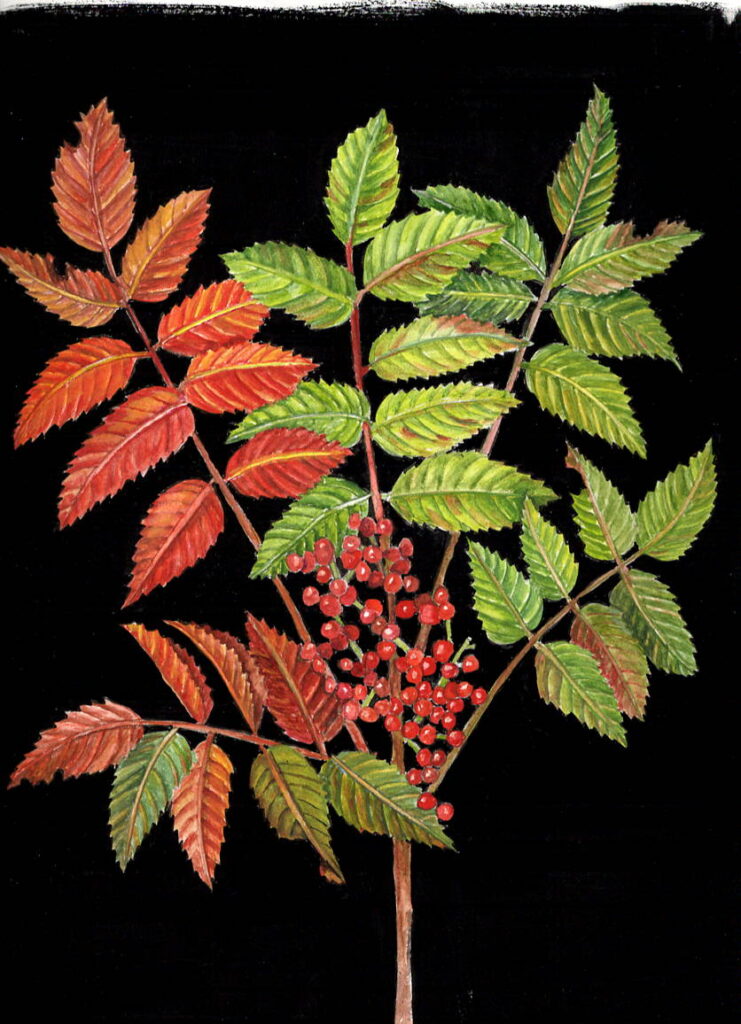
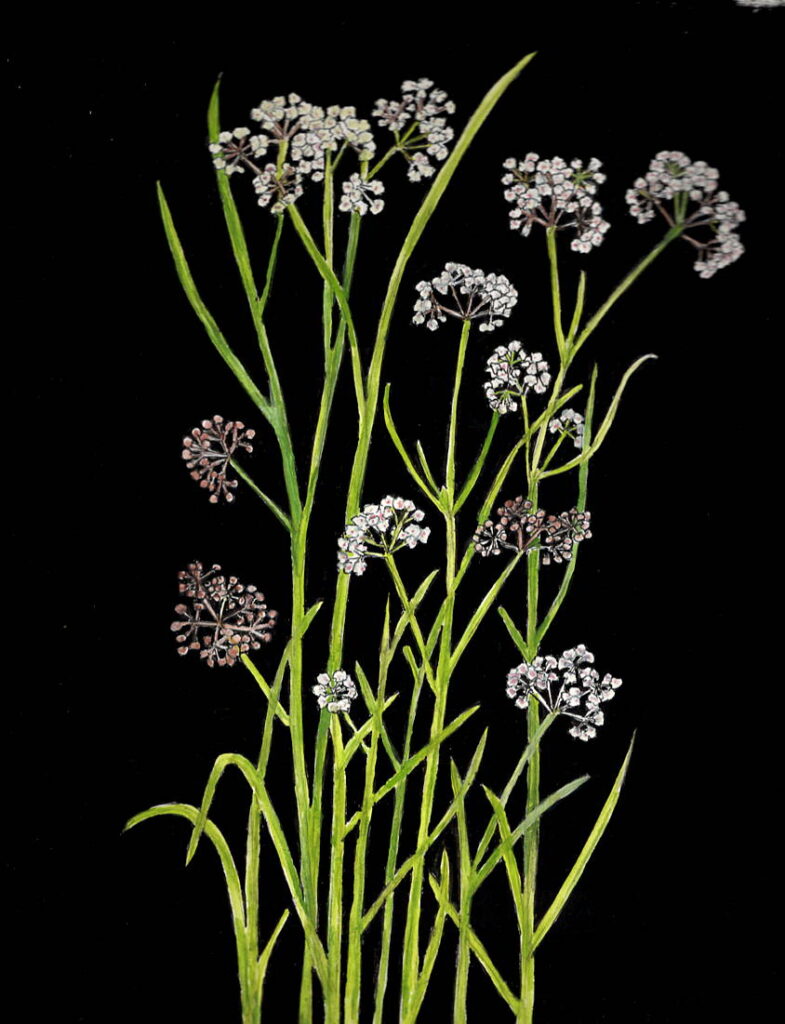
Georgia’s endangered species that depend on fire for survival include Smooth sumac (pictured above), harperella (pictured below), green pitcher plant, Morefield’s clematis and Alabama leather flower.

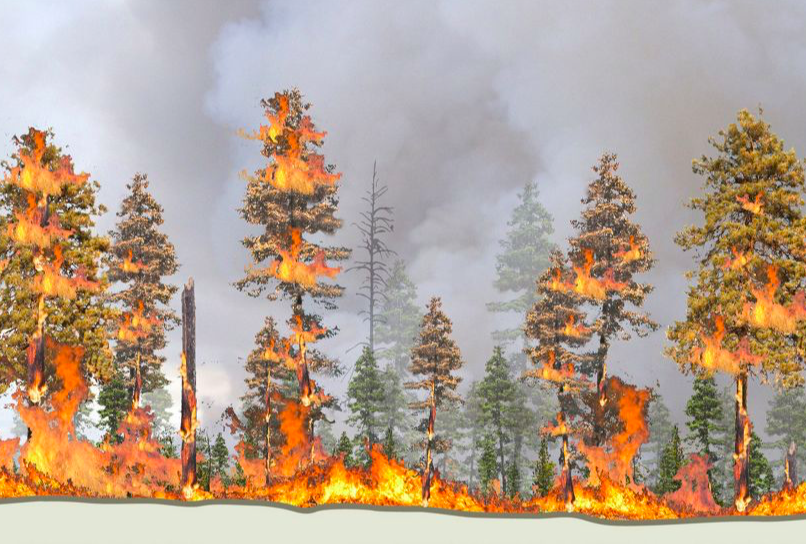
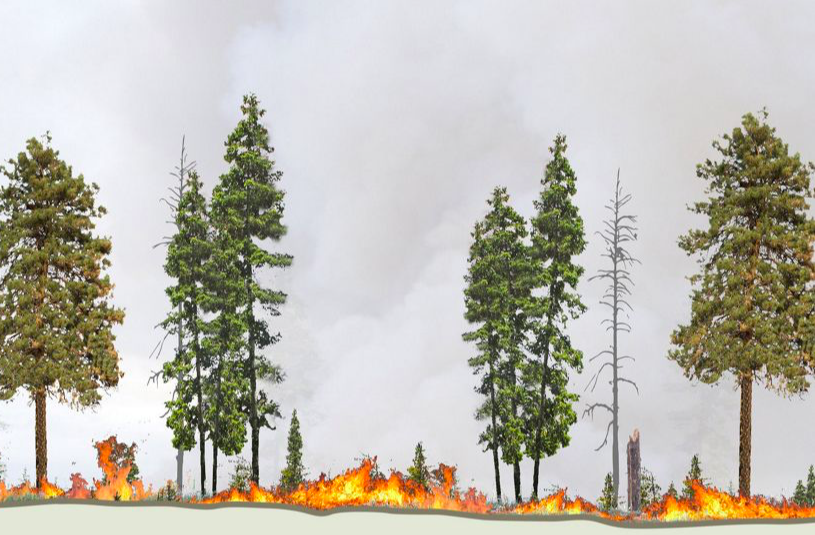
The photographs below are from The Nature Conservancy’s web page about prescribed burning. The first is a picture of a wildfire, where the intensity of the fire causes the tree crowns to burn. The second picture is of a prescribed burn in a thinned forest, where the underbrush burns, leaving the trees, for the most part, intact. (Photographs courtesy of The Nature Conservancy)

A combination of thinning forests and performing prescribed burns may lessen the damage if wildfires occur. Burns are not conducted during summer months, reducing the impact of smoke on air quality.

How you can help:

  1. Help educate people about “good fires” and the critical role they play in strengthening certain ecosystems.
  2. Write to the Georgia Forestry Commission, supporting the work they do with prescribed fires.
  3. Contact the Georgia Forestry Commission about doing a prescribed fire on your own land. For information go to their website: http://gatrees.org

Don’t forget to visit the Gardenhouse Gallery at the Atlanta Botanical Gardens to see the ongoing art exhibit, Imperiled Beauty: Georgia’s Endangered Plant Species.

A botanist’s dream

Generally when botany students are trying to identify a plant, they like to believe that they have found something wonderfully unusual. The rule of thumb, though is that common plants are commonly found while finding a rare plant is ….welll….a rare occurrence.

So, in 1982 when the then 21 year old Jim Morefield thought he had found something rare and endangered, it didn’t create much of a stir – until scientists from Vanderbilt University confirmed that he had actually found a species that had never been seen before. The very rare and federally endangered clematis that he found was eventually named for him: Clematis morefieldii.

Morefield’s clematis

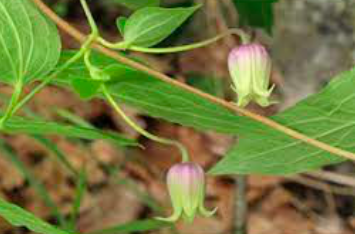
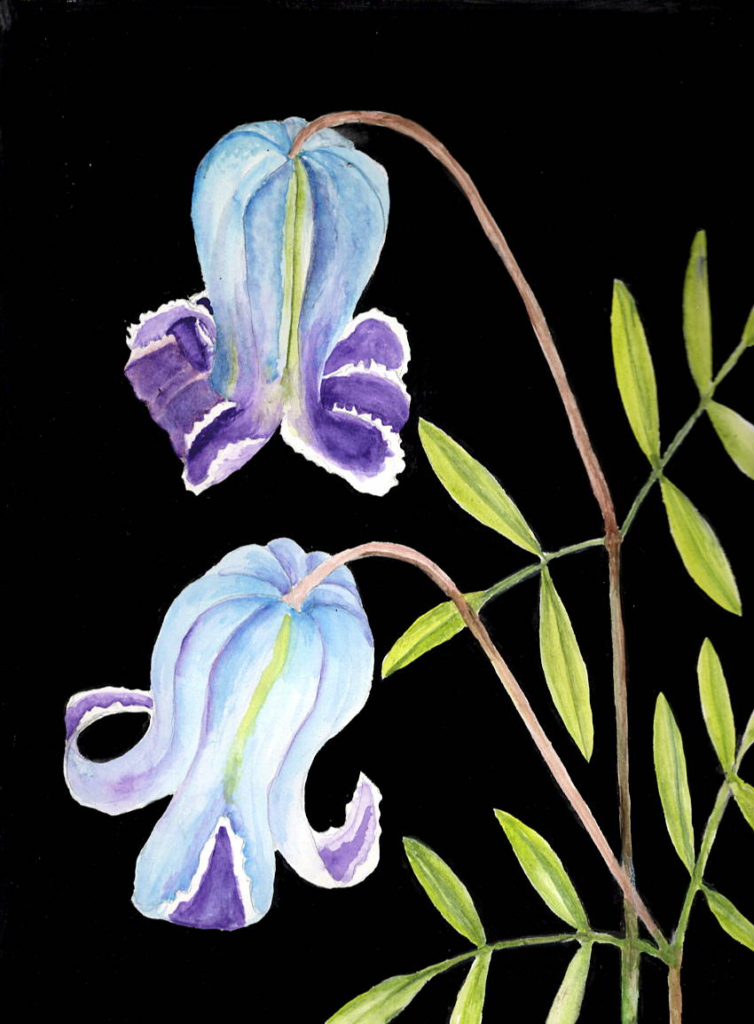
Morefield’s clematis, sometimes called Huntsville vaseline, is closely related to the endangered Alabama leatherleaf. Both grow in only a few counties in Georgia and surrounding states. In the case of Morefield’s clematis, the largest population is actually close to the city limits of Birmingham, Alabama. Some of the plants have been lost due to herbicides used in neighborhoods. Other plants have been lost as empty lots have been cleared to build houses or have been buried underneath invasive plants such as honeysuckle and kudzu. The habitat for the remaining population of these plants is fragmented, meaning pollinators have a hard time finding them. (Think of it like walking a long way to a candy store that only had one or two pieces for sale. It’s just not worth the effort.)

Alabama leather flower

Fortunately, the school children in Birmingham have become interested in this small endangered plant that grows so close to their homes. Third graders have written a play, book and song about the flower and convinced the mayor of Huntsville to write a proclamation about saving it. Also, fortunately, The Nature Conservancy has made great progress in buying land where this grows to protect remaining individuals.

As for the young botany student? Jim Morefield had a long and illustrious career as a rare plant botanist. He recently retired, having spent the last 31 years as head botanist for the Nevada Division of Natural Heritage, the branch of state government that collects information about rare and endangered plants in the state.

When asked why it’s important to protect every single species, Morefield answered, “we don’t know. And that is the reason to protect (rare species). We know what functions some plants perform in nature but we haven’t studied a lot of the rare plants, so we don’t know for sure what important functions they may perform.”

He goes on to say that they may perform an ecological role we just don’t know about yet or they may have medicinal value. But, he concludes by saying “They have their own value besides what they may or may not do for human beings.”

Reason enough, I think, to safeguard them for the future.

Don’t forget to go by the gallery at the Atlanta Botanical Gardens to see Imperiled Beauty: an art and information exhibit about Georgia’s rare and endangered plants.

Dogs, plants and conservation

“You have my dream job,” I told Lauralea Oliver, owner of K9inscentive, “what could be better than working with dogs, plants and conservation!”

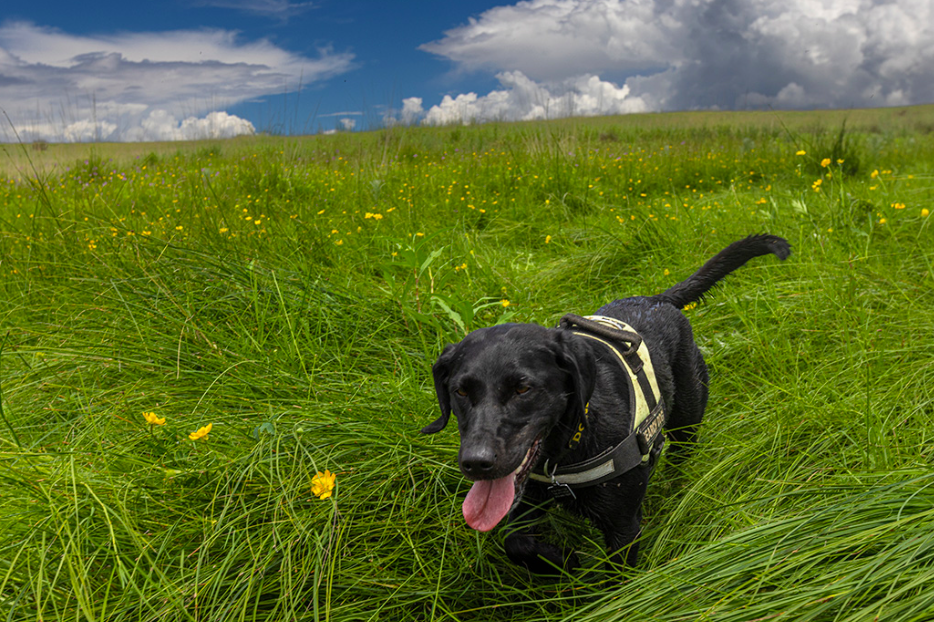
Lauralea and many like her, have trained dogs to do conservation work by sniffing out all kinds of things from dangerous chemicals such as PCB, to finding rare animals such as the spotted owl, to locating endangered plants, nearly hidden by the surrounding vegetation.

Scientists usually have a vague idea of where a particular plant grows – or used to grow – but this may be only a couple of very small plants in acres of woods or fields. It takes a lot of time and effort to locate them. Dogs, whose olfactory skills are 10,000 to 100,000 times better than that of the scientists’ can be trained to find these plants quickly and effectively.

For example, the Desert Botanical Garden, in conjunction with U.S. Fish and Wildlife and the Smithsonian Institute, have used Lauralea Oliver and her dogs to find rare and endangered orchids in Southern Arizona. She trained the dogs using a species closely related to the orchid.

Using dogs to do conservation work was the brainchild of Samuel Wasser, a research biologist at the University of Washington. In 1997, he founded Conservation Canines, part of the Center for Conservation Biology at UW and adopted narcotic dog training methods to train dogs to find wildlife and plants.

The results have been stunning. Not only can the dogs find rare plants, they are also invaluable in the early detection of potentially destructive invasive plants. They can be trained to distinguish different species within the same genus, allowing field biologists to remove nonnative species while leaving the native species intact.

One of the most impressive dog detection stories is not about plants but whales. A Smithsonian Magazine article from 2016 is about dogs trained to find feces from the Right Whale. Whale poop (apparently bright orange) sinks within 30 minutes so scientists have had limited success in actually collecting the scat. A dog, however, can smell the feces from a mile away and guide his handlers to it quickly. Before using dogs, scientists found on an average, 10 scat samples per year. With the dogs? an impressive 150 samples. The feces provides scientists with information about the diet, behavior and health of the whales without disturbing the animals themselves.

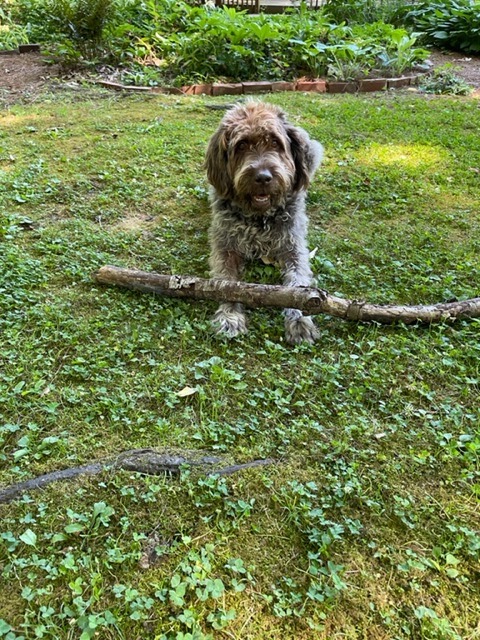
As much as I love my own Sadie, I’m well aware that she doesn’t have the personality of a detection dog. She’s much too calm and well balanced. A good detection dog is hyperactive and insanely focused. They will do anything, anything to chase a ball. A story is told of a detection dog who sat looking at a ball on top of the refrigerator – until his owner returned nine hours later. So, even though I love the thought of training my dog as a conservation canine, I know she would just rather lie around the yard chewing on sticks.

Even though I said training conservation dogs would be my dream job, it’s really not. THIS is my dream job, writing about and painting the beauty of our rare and endangered plants. That is a job to dream of!

Georgia’s Imperiled Beauty

For the past year, I’ve been volunteering in the conservation greenhouse at the Atlanta Botanical Garden.  My tasks there are like gardening tasks anywhere.  Working with a small group of volunteers, we cut back, repot, divide and replant, water, fuss and stew over the plants in our care.  What makes this work so incredibly different is that the plants we are working with are among the rarest and most vulnerable plants native to our state.   It definitely brings an enhanced level of intensity to mundane tasks but it also brings a great sense of satisfaction.  I think, perhaps, there is no more satisfying work than doing something that you know will make a difference.  So, our care for the pitcher plants, the threatened sunflowers, the very rare quillworts makes all of us feel that we are making a contribution to save these species for future generations.

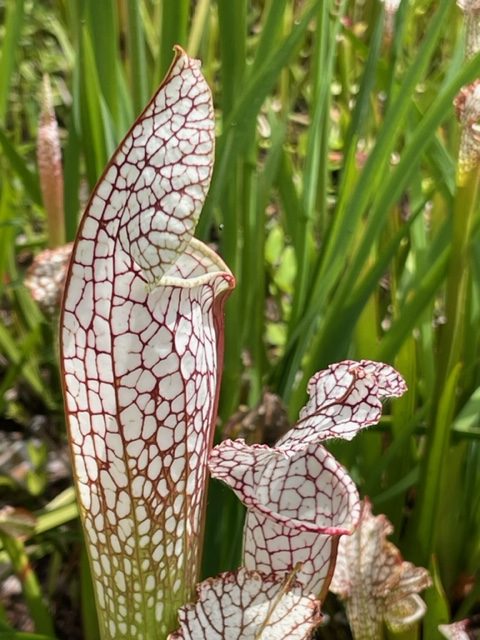
Sarracenia leucophylla

The more I “got to know” these plants, the more fascinated I became.  I watched them in all phases of their growth cycle during the year and observed them closely.  And, what I found is that not only are these plants precious because they are so rare but they are also absolutely beautiful to look.

As an artist, I was determined to both capture and share this beauty so I eventually painted all 19 of the native Georgia plants that are on the federal endangered species list. But as I was painting, I kept wondering, WHY are these endangered? Have they always been rare or is this a new, unfortunate 21st century phenomenon. And, what can we, as concerned citizens, DO about this situation? The scientists are working non – stop but certainly there must be something WE can do. And of course, there is. For some ideas of what you can do to help save these species from extinction, click on How You Can Help.

In the blog posts to follow, I’ll explore some of the many reasons that so many of the plants throughout the country are rare and vulnerable. But for now, understanding the various designations and definitions is a good starting point.

The World Wildlife Fund explains the Endangered Species Act as follows: Passed with bipartisan support in 1973, the law allows individuals and organizations to petition to have a species listed as endangered or threatened. These listing petitions undergo rigorous scientific evaluation and public review before a final decision is made on whether a species should be protected.

Currently there are 1300 species either threatened or endangered on the federal lists. This number fluctuates as new species are listed and (hooray!) other species are successfully restored so that they no longer need protection. What is the difference between the federal designations?

Endangered: any species which is in danger of extinction throughout all or a significant portion of it range.

Threatened: any species which is likely to become an endangered species within the foreseeable future throughout all or a significant portion of its range.

Many, though not all, states have their own lists of Endangered, Threatened and Vulnerable (or Special Concern). A species might be listed as endangered on the state list but not the federal list. For example, the Kentucky lady’s slipper is on the Georgia endangered species list, meaning that in our particular state, it is threatened with extinction. But, it is more secure in other parts of its range in other states so it is NOT listed as endangered on the federal lists.

Global listings are similar but status is based on its presence throughout its range:

G1 – critically imperiled globally

G2 Imperiled

G3 Either very rare throughout its range or factors (such as habitat loss) make it vulnerable to extinction throughout its range.

G4. Globally secure but may be rare or endangered in part of its range

G5 Globally secure throughout.

The Endangered Species Act is a wonderful law but it’s not enough. We need to continue to advocate for stronger laws to protect global biodiversity. I look forward to exploring this important issue with you as we work together to protect our imperiled beauty.

Laura

Note: All those who knew Will Hembree are heartbroken because of his death on July 26th. Will was instrumental in my becoming involved and passionate about our endangered plants and the current exhibit at the Atlanta Botanical Gardens is dedicated to his memory. Will inspired many people in his tragically short life. He will be greatly missed but not forgotten.